

Learn · Library
Research library
Guides to peptide chemistry, testing, storage and regulation. Every article cites its sources and shows the date it was last reviewed. They cover chemistry, analytical testing and regulation only.
- Articles
- 65
- Written by
- Team Iconic Peptides
- Standard
- Editorial policy
Start here
Guides9 min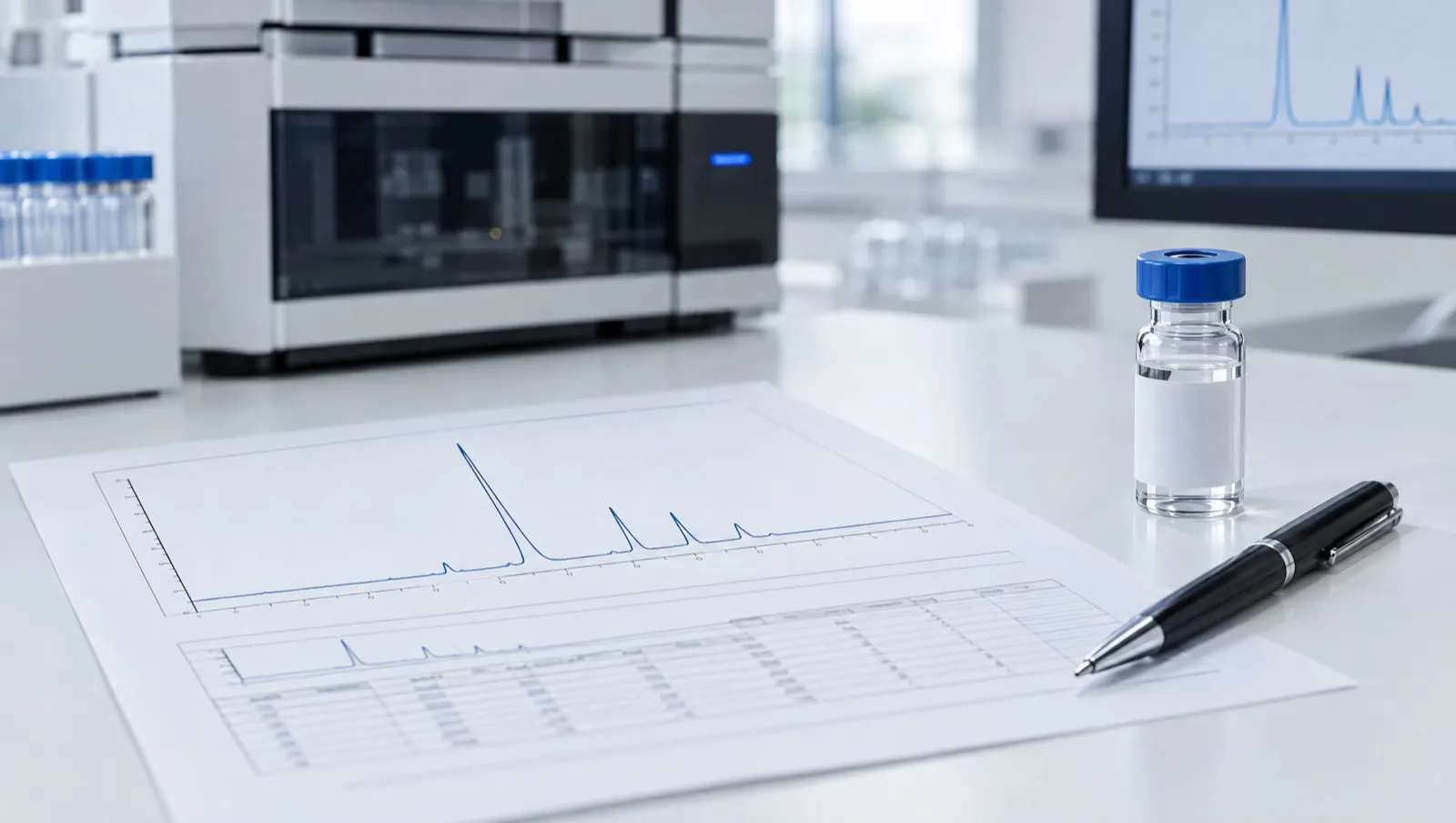

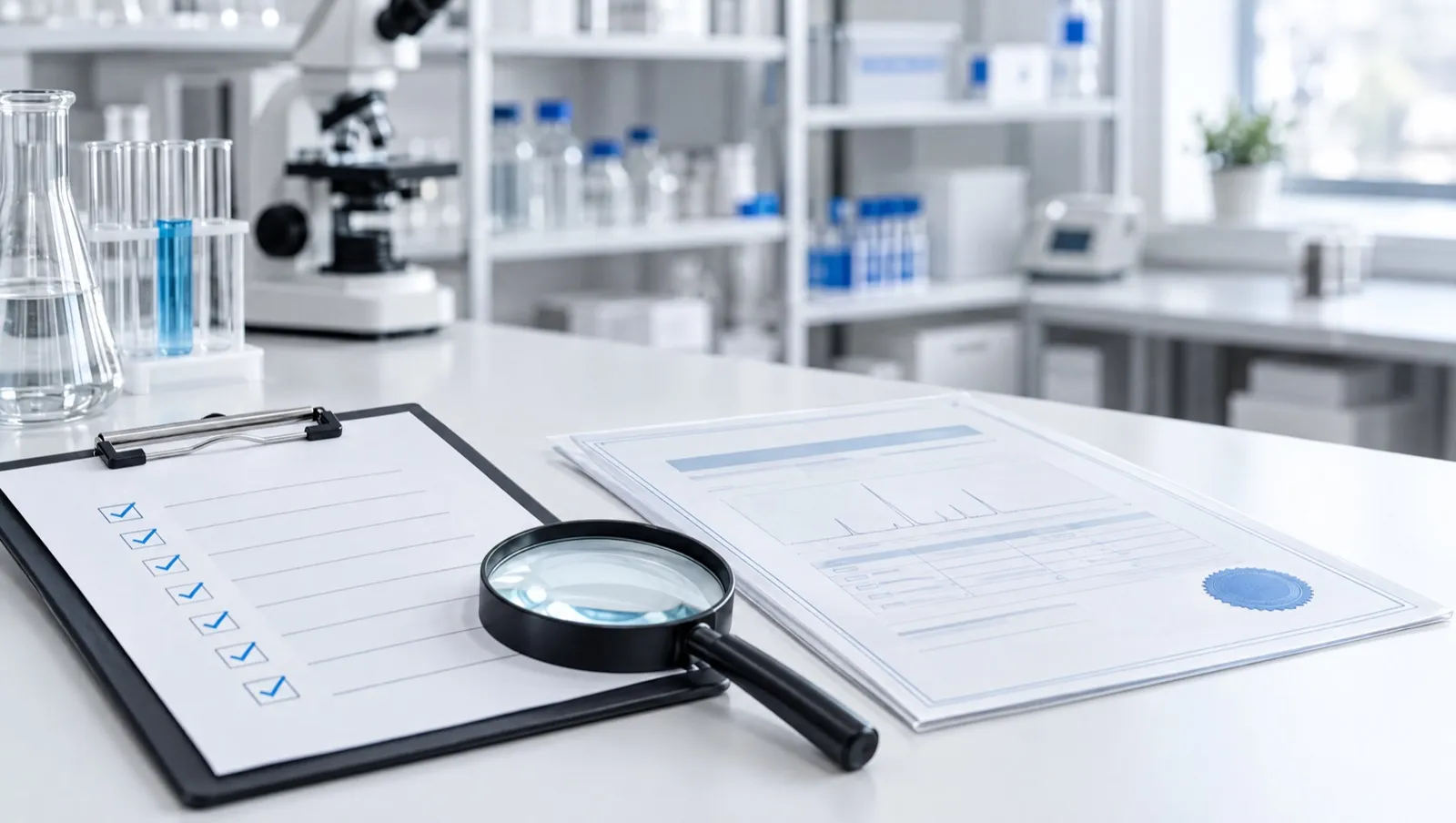
How to Read a Peptide Certificate of Analysis (COA)
A practical guide to peptide Certificates of Analysis: what HPLC, mass spec, assay and endotoxin results mean, plus 10 red flags to watch for.
Read Guides12 minAre Peptides Legal in Australia? TGA, the Poisons Standard and Research Supply
Are peptides legal in Australia? How the TGA, the ARTG, the Poisons Standard and the Advertising Code apply to peptides, with official sources only.
Read Guides13 minBuying Research Peptides in Australia: A 12-Point Supplier Checklist
Before buying research peptides in Australia, check 12 things: batch-matched COAs, independent labs, MS identity, an ABN, cold chain, honest claims.
Read Library · VideosExplainer videos29 short narrated explainers, with captions and transcripts: what a peptide is, then one for each compound we supply, covering the molecule and what has been studied.Watch the videos
Guides
How peptides are made, tested, stored and regulated.
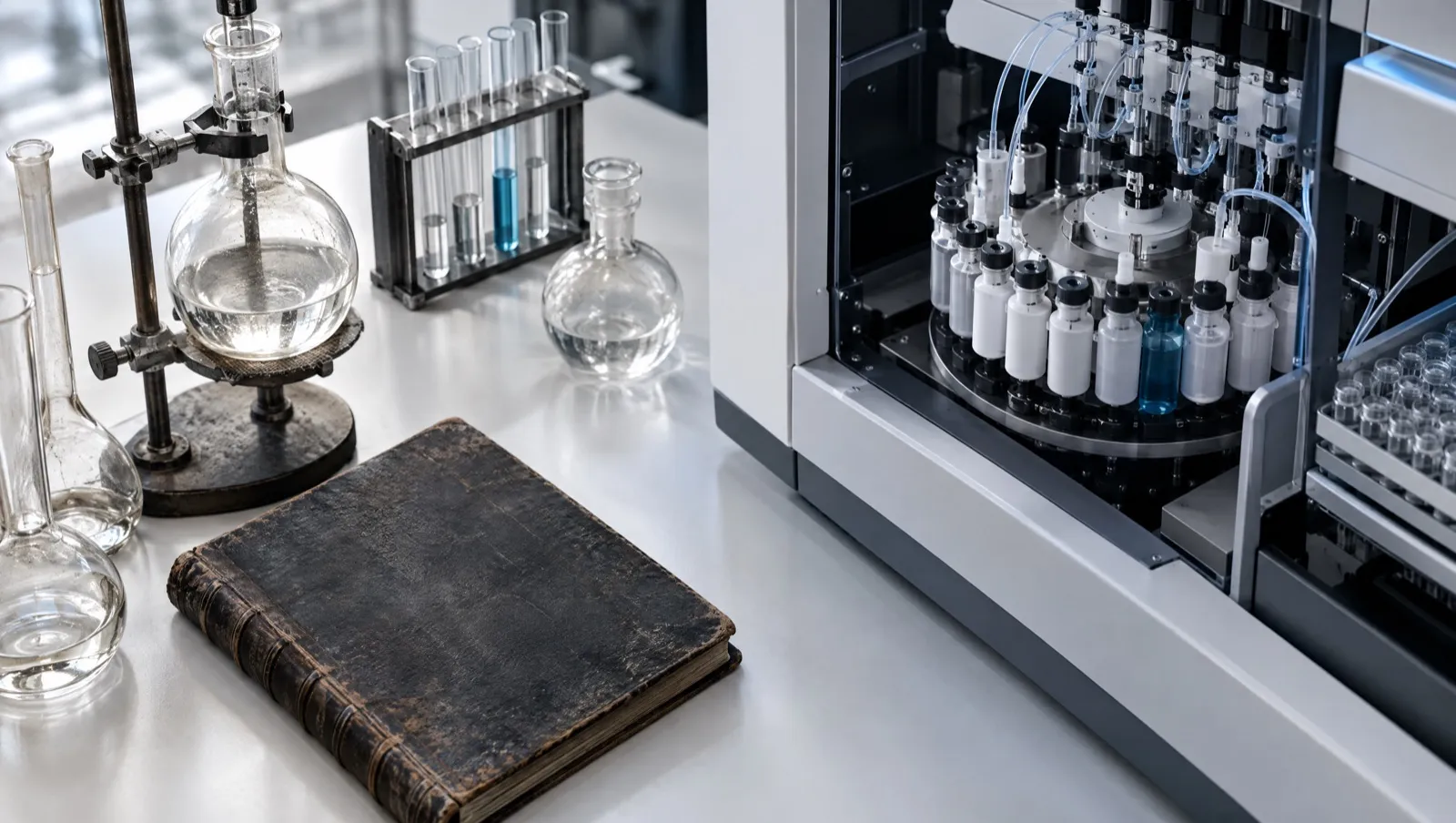 A Short History of Peptide Science: From Insulin to Solid-Phase SynthesisA referenced history of peptides: Fischer's first peptides, secretin, insulin, oxytocin synthesis, Sanger, Merrifield's SPPS and recombinant DNA.
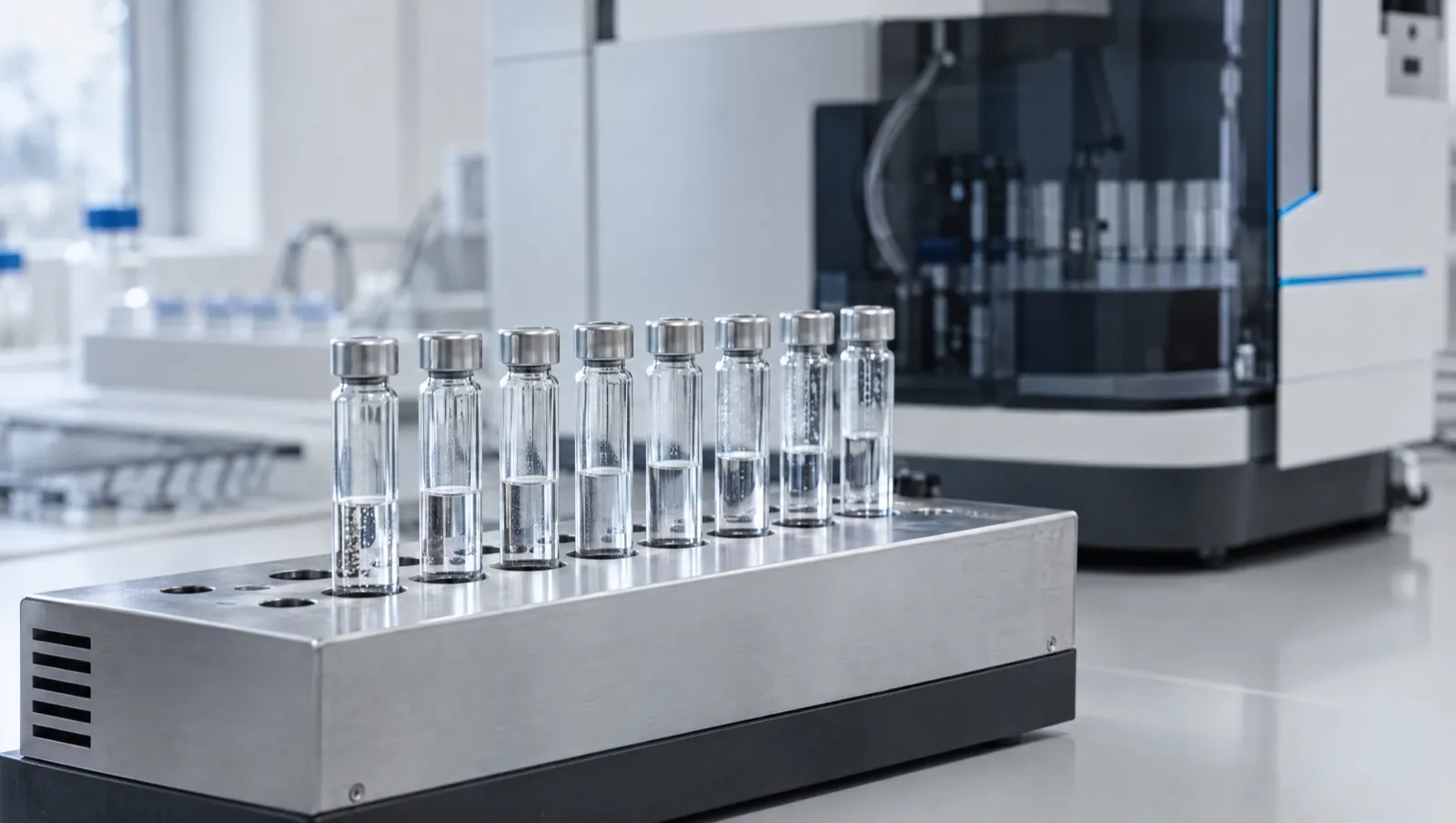 Amino Acid Analysis (AAA): How Net Peptide Content Is MeasuredHow amino acid analysis measures net peptide content: acid hydrolysis, derivatisation, calibration, a worked angiotensin II example and AAA's limits.
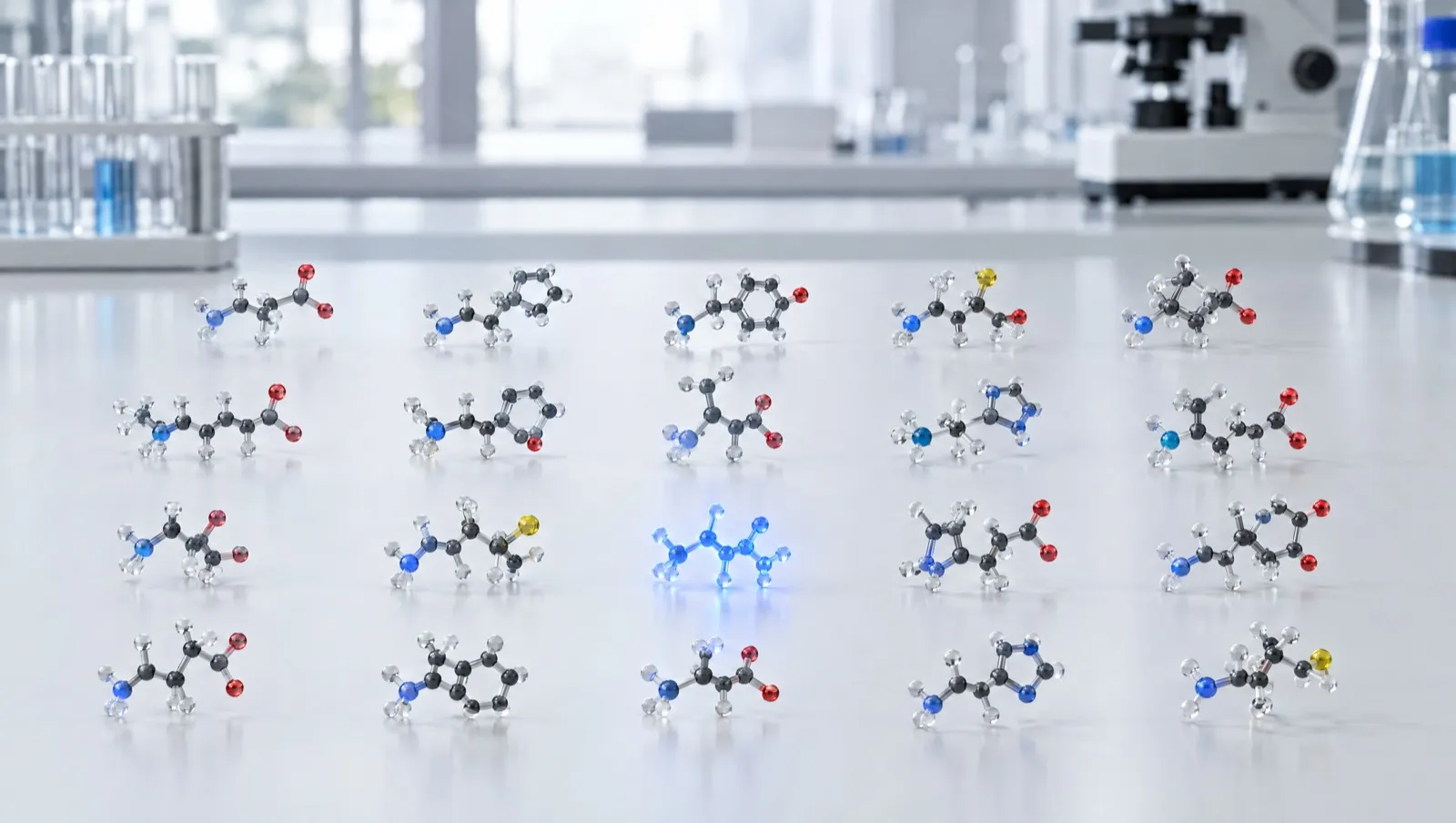 Amino Acids: The 20 Building Blocks of PeptidesWhat are amino acids? A referenced guide to the 20 standard amino acids, their codes, side chains and chirality, and how they join to form peptides.
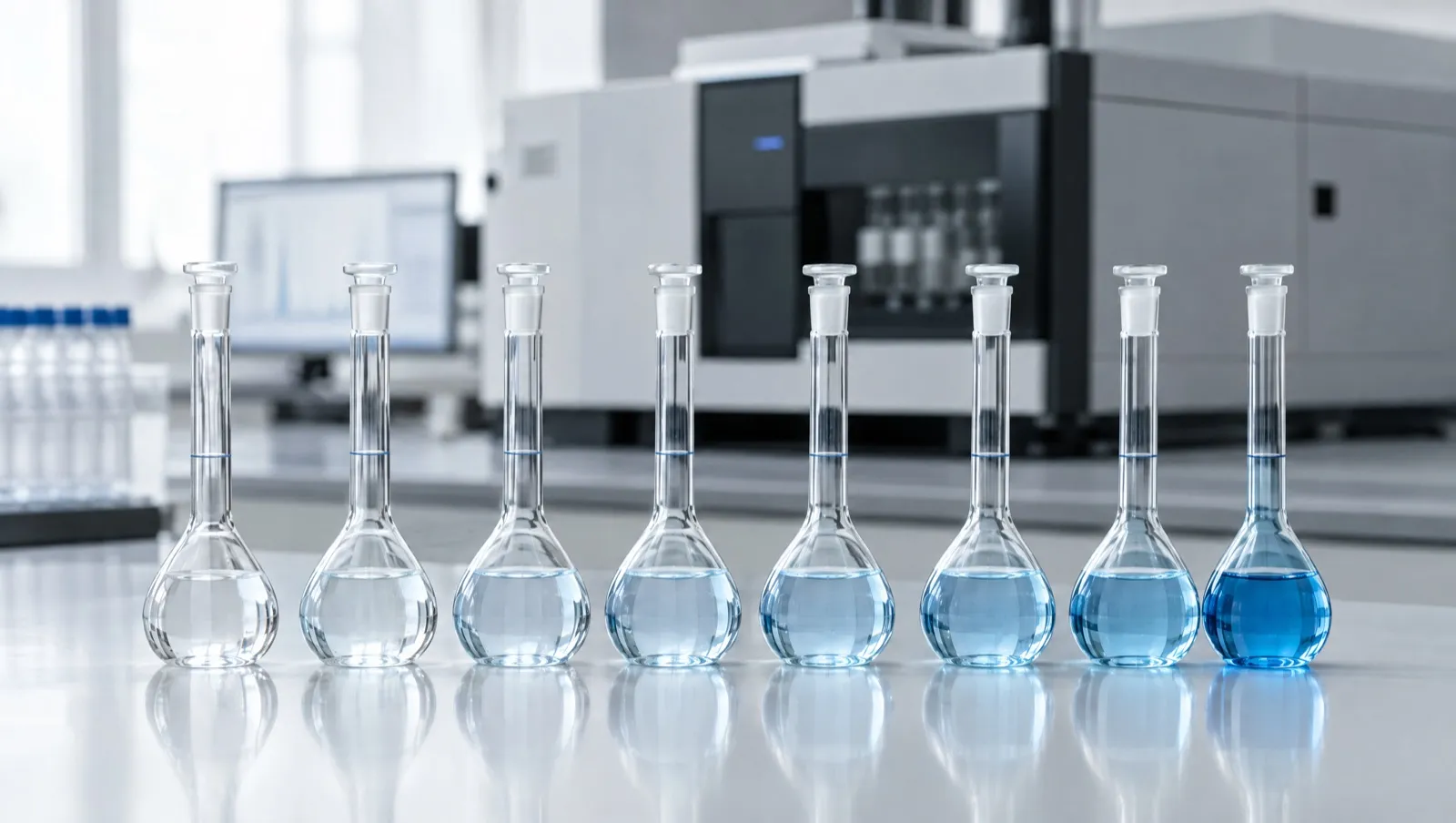 Analytical Method Validation (ICH Q2(R2)): What Makes a Test Result TrustworthyWhat analytical method validation shows: ICH Q2(R2) validation characteristics, ICH Q14 robustness, system suitability, verification, and what a COA shows.
 Animal Research Ethics in Australia: The Australian Code, AECs and the 3RsHow animal research ethics work in Australia: the NHMRC Australian code, animal ethics committees (AECs), the 3Rs, and what to look for in animal studies.
- Are Peptides Legal in Australia? TGA, the Poisons Standard and Research SupplyAre peptides legal in Australia? How the TGA, the ARTG, the Poisons Standard and the Advertising Code apply to peptides, with official sources only.
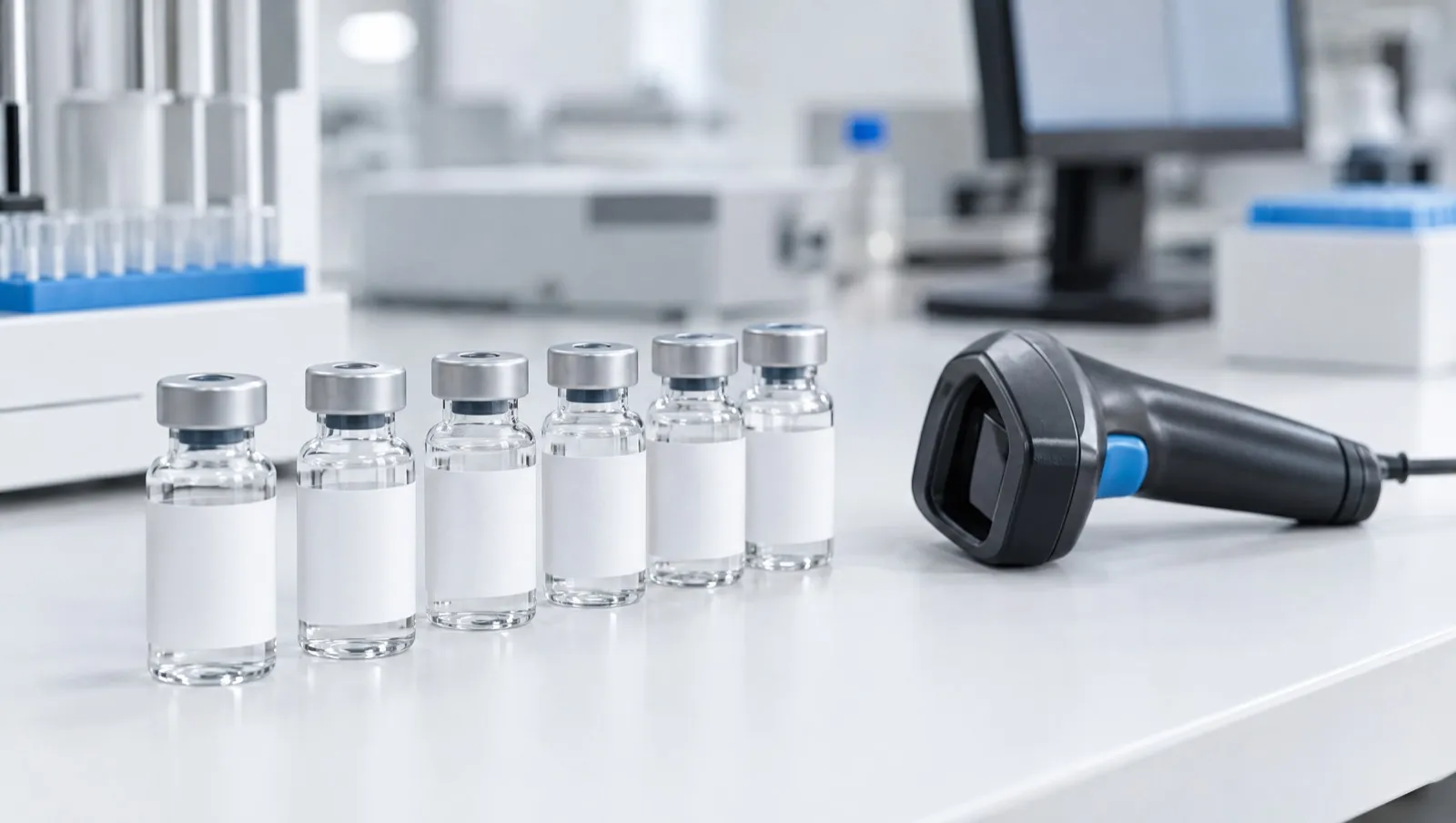 Batch Numbers and Traceability: Linking a Vial to Its CertificateWhat a batch or lot number is, what batch records and retained samples hold, how a vial label is matched to its certificate, and how recalls trace a batch.
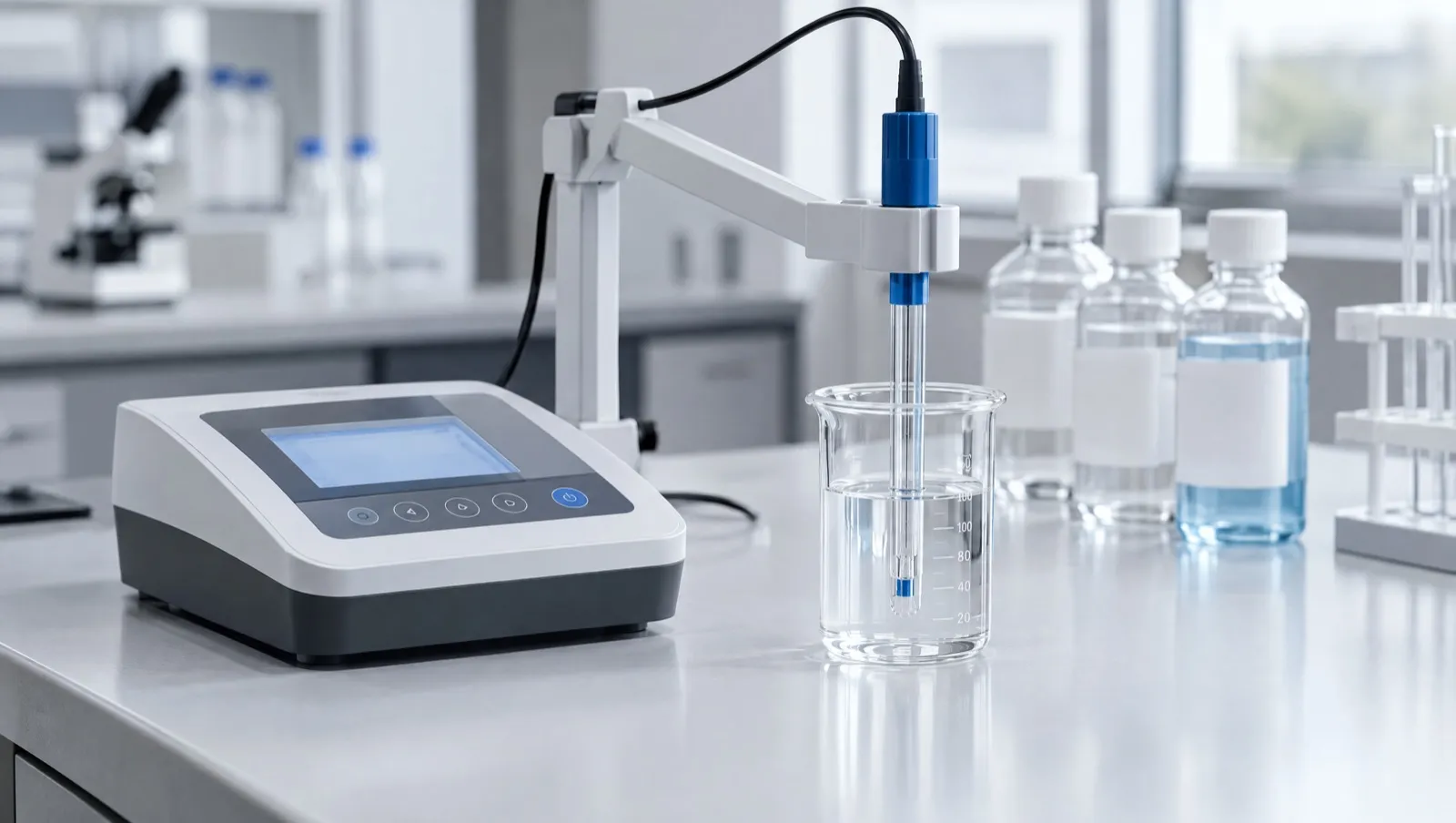 Buffers and pH in Peptide Research: pKa, Buffer Choice and Measuring pHHow buffers hold pH: Henderson–Hasselbalch, pKa and buffering range, Good's buffers, temperature, ionic strength, peptide charge, stability and pH meters.
- Buying Research Peptides in Australia: A 12-Point Supplier ChecklistBefore buying research peptides in Australia, check 12 things: batch-matched COAs, independent labs, MS identity, an ABN, cold chain, honest claims.
 CAS Numbers, PubChem CIDs and InChIKeys: How Chemicals Are IdentifiedWhat a CAS number is, how its check digit works, why one peptide can have several, and how PubChem CIDs, InChIKeys, SMILES and UNIIs fit together.
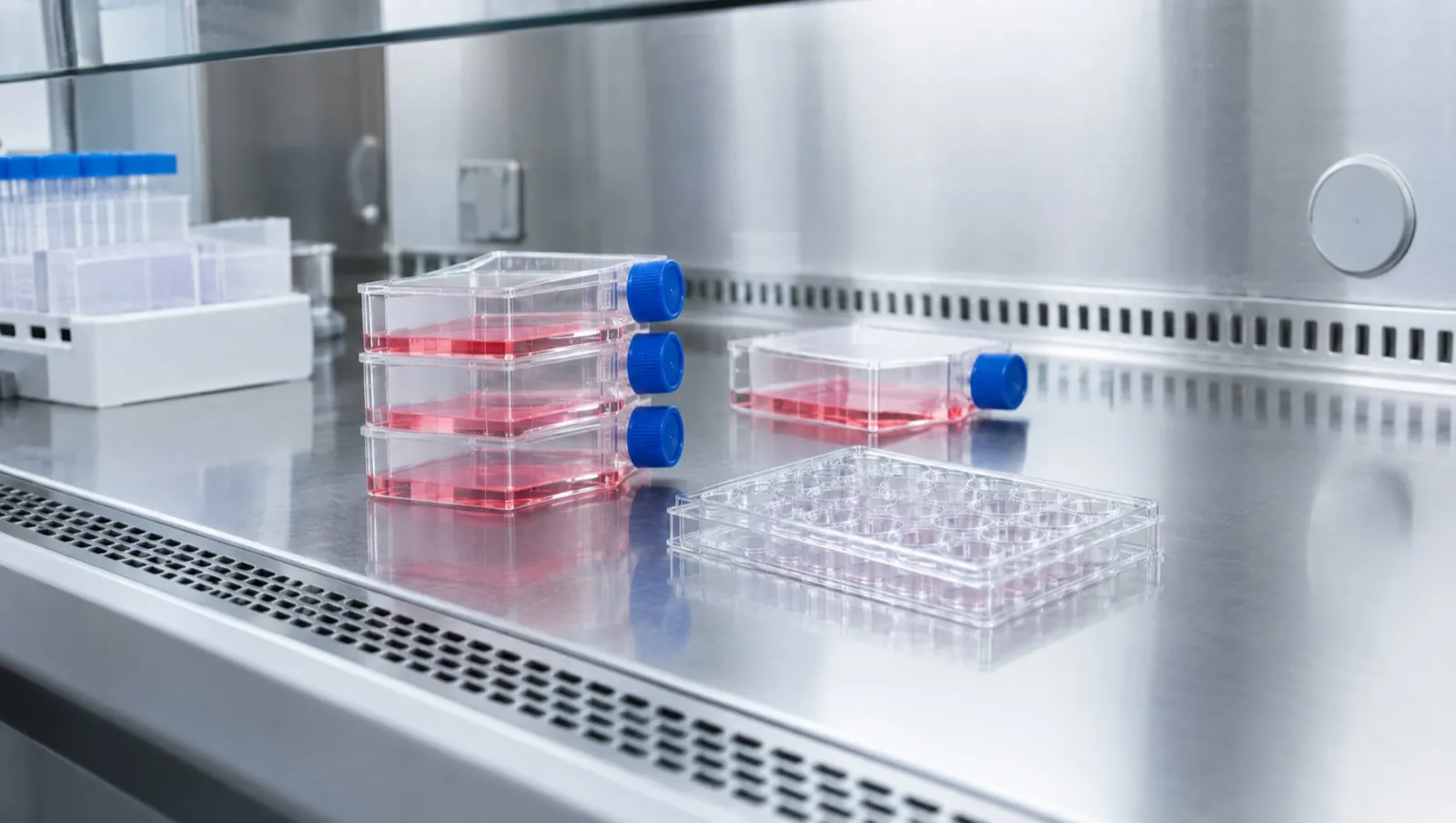 Cell Culture Models: Cell Lines, Primary Cells and OrganoidsHow cell lines, primary cells and organoids differ, why STR profiling, mycoplasma tests and passage records matter, and what in vitro models cannot show.
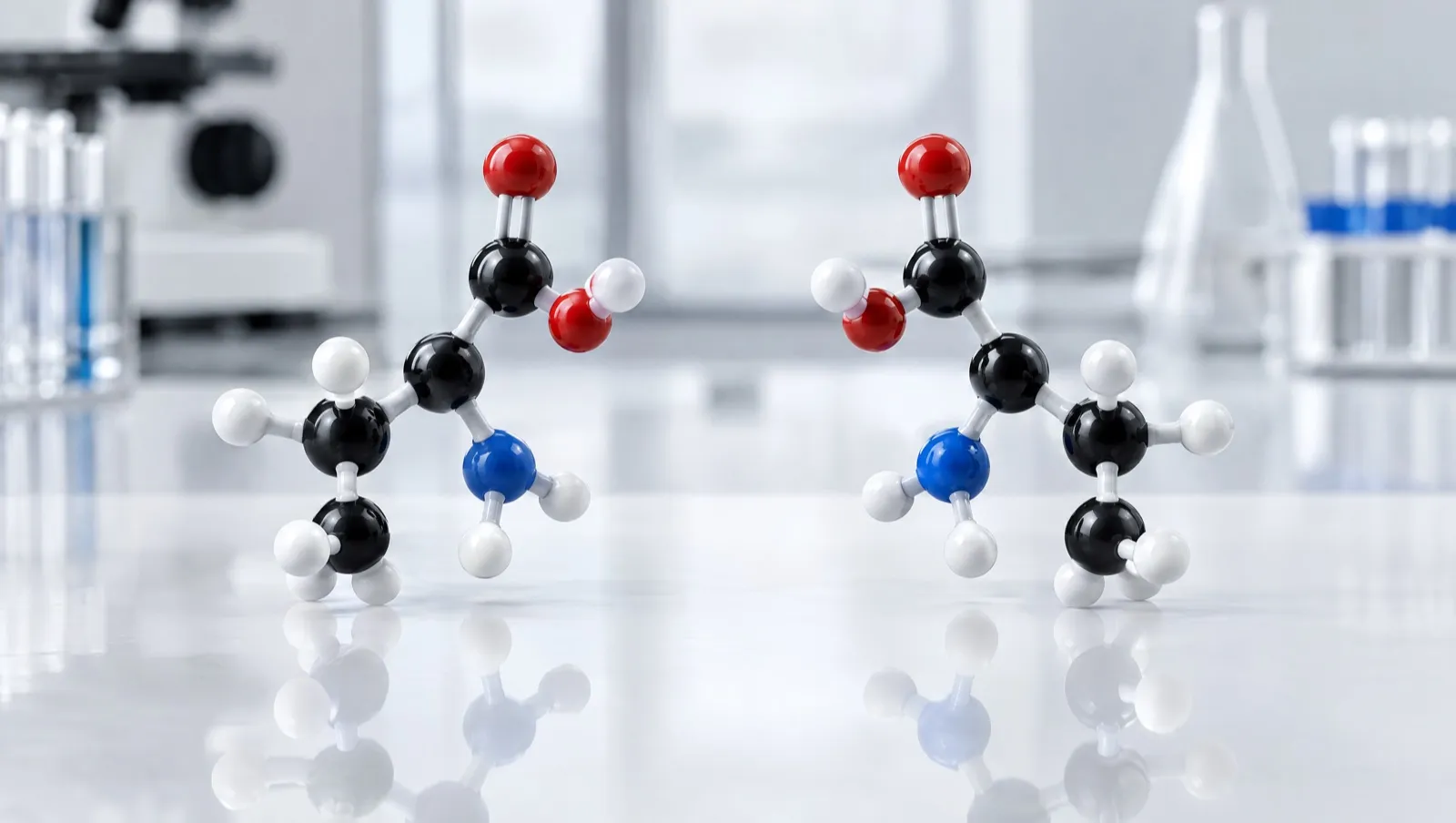 Chirality in Peptides: L- and D-Amino Acids and RacemisationHow L- and D-amino acids differ, why L-cysteine is R, how racemisation happens during synthesis, and how chiral methods detect D-isomer impurities.
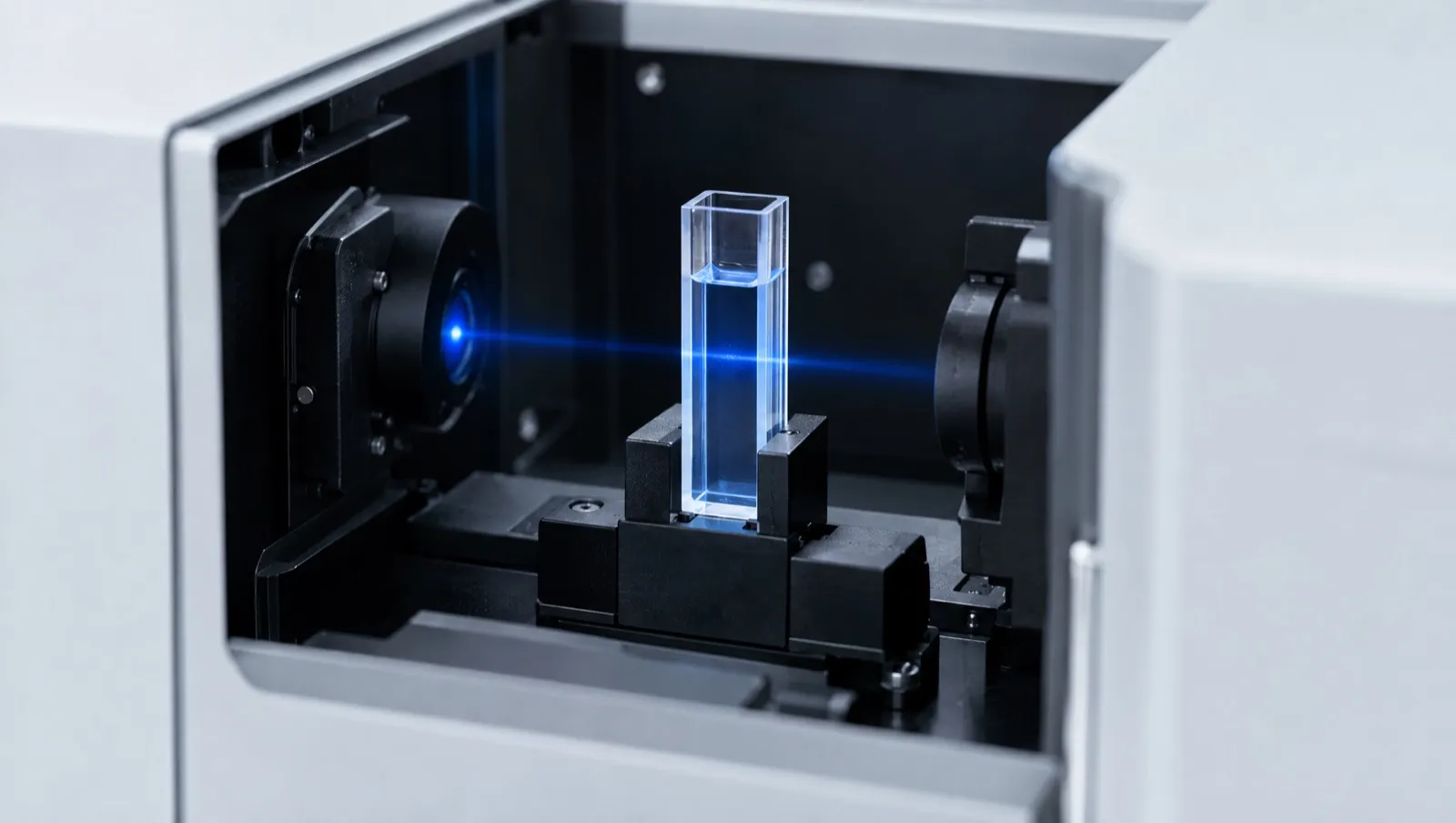 Circular Dichroism (CD): Measuring Peptide Secondary StructureHow circular dichroism reports peptide secondary structure: helix, sheet and disordered bands, mean residue ellipticity, buffer limits and analysis tools.
 Clinical Trial Phases Explained: Phase 1 to Phase 4What are the clinical trial phases? A referenced guide to phase 0, 1, 2, 3 and 4 trials, how many people take part, and how trials are run in Australia.
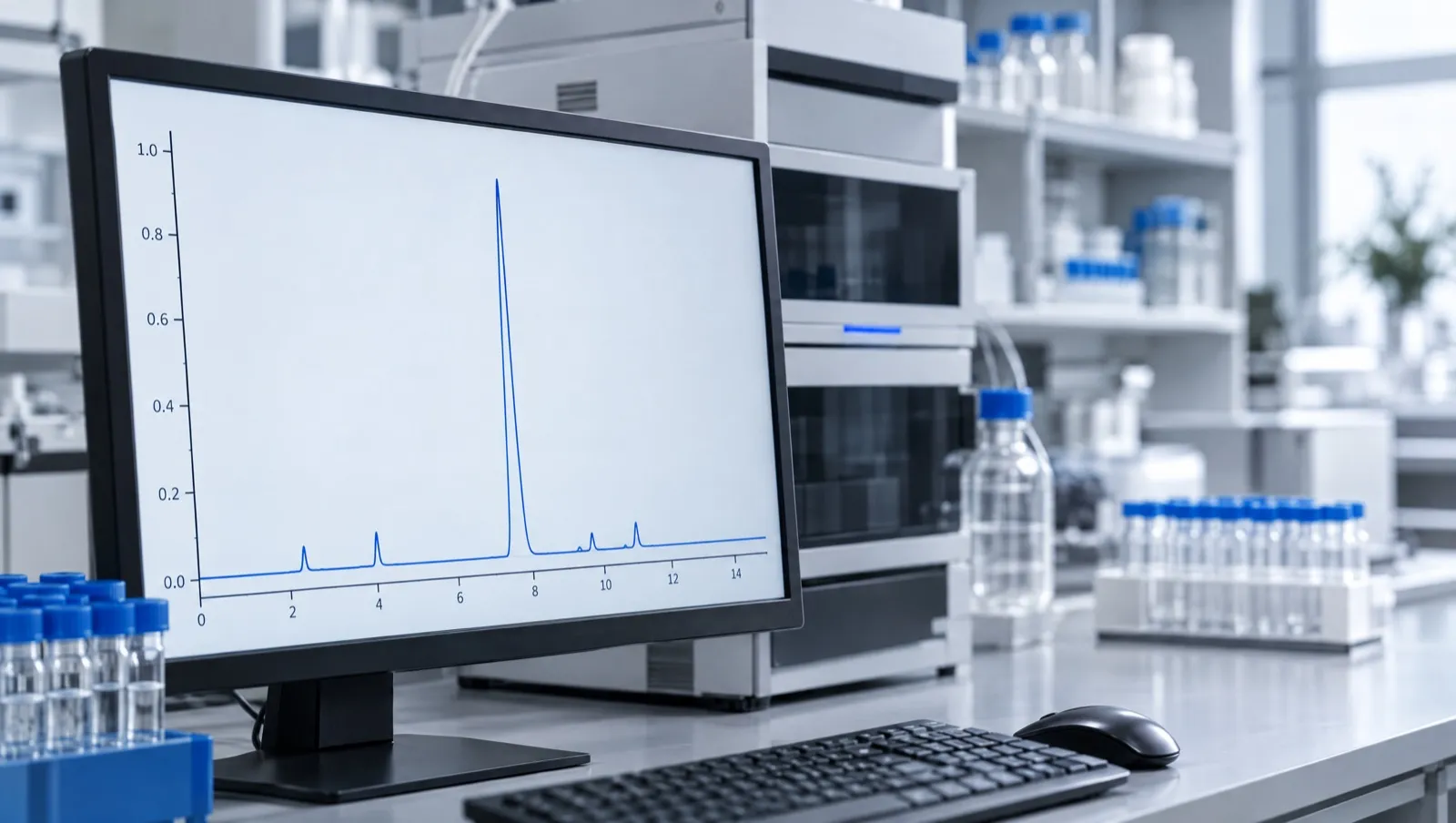 Common Impurities in Synthetic Peptides (and How Labs Detect Them)Peptide impurities explained: deletion and insertion sequences, diastereomers, oxidation, aspartimide and TFA, and how labs detect them.
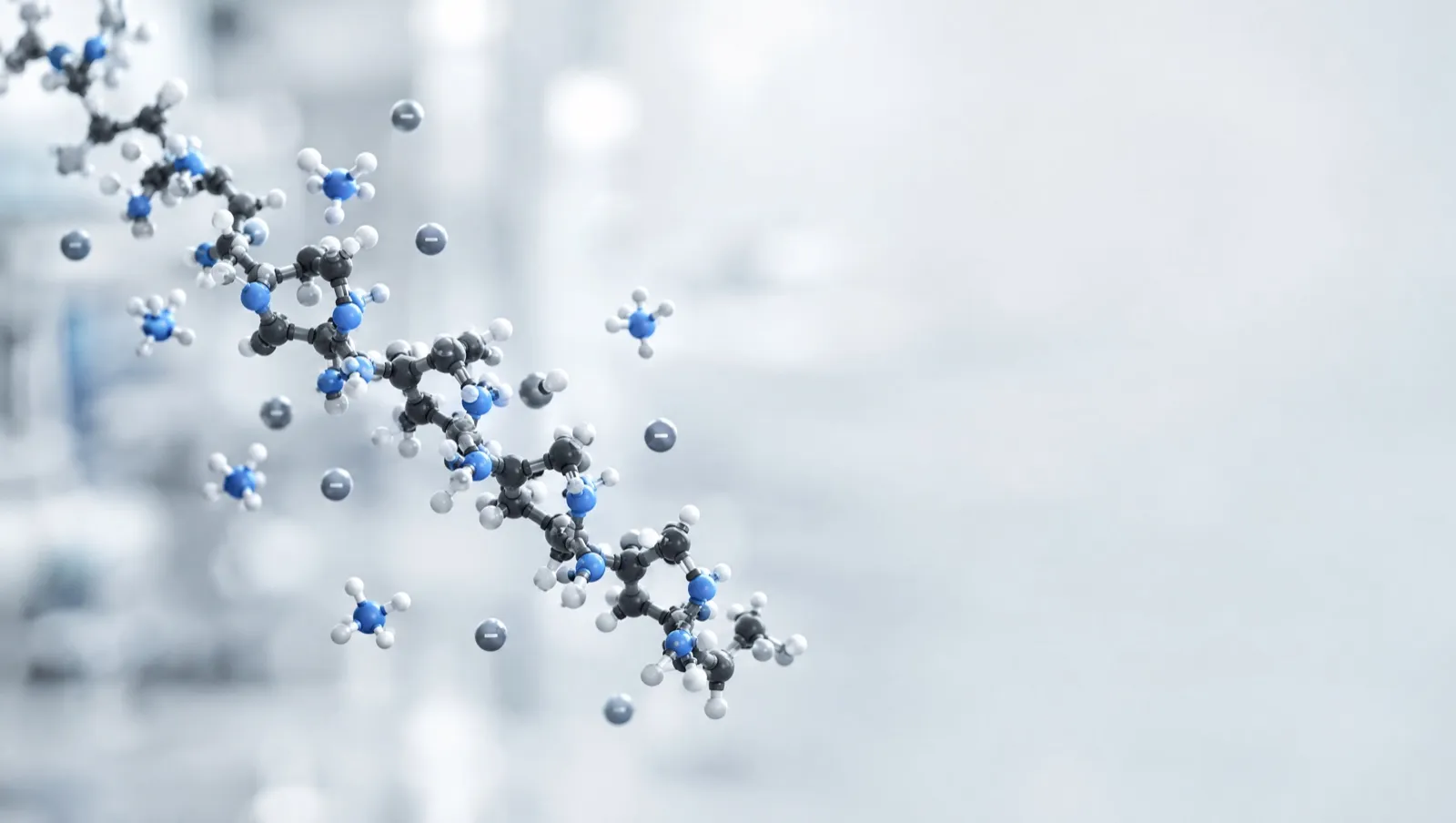 Counter-Ions in Peptides: TFA vs Acetate vs HClTFA vs acetate vs HCl peptide salts: where counter-ions come from, how TFA can affect cell assays, and how counter-ions are measured and exchanged.
 Data Integrity and ALCOA+: What Trustworthy Laboratory Records Look LikeWhat ALCOA+ data integrity means, what MHRA, FDA, PIC/S and WHO guidance expect of audit trails and raw data, and how a COA should trace to its records.
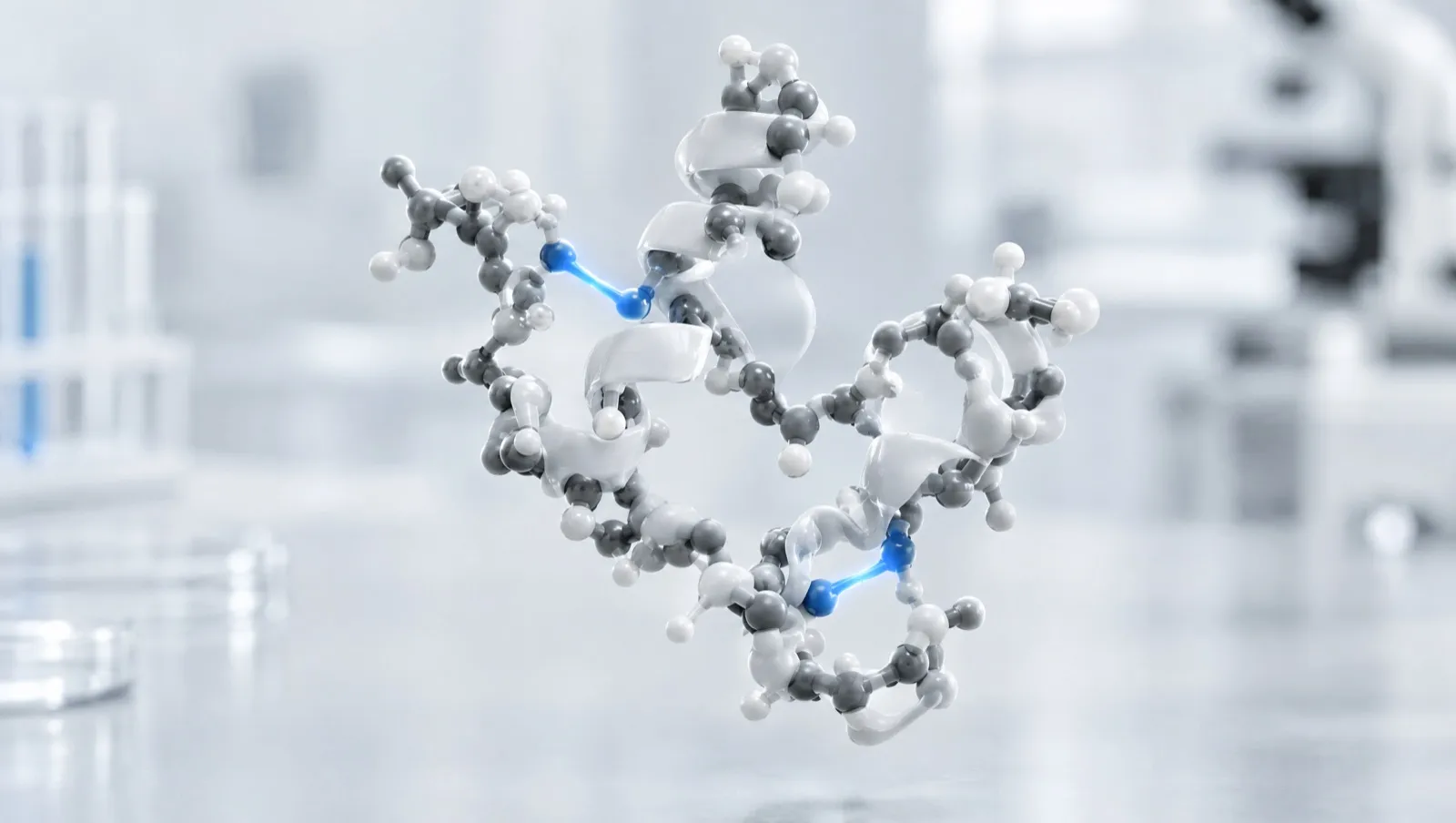 Disulfide Bonds in Peptides: Formation, Analysis and StabilityHow disulfide bonds form between cysteines, how protecting groups direct them, the 2 Da mass shift, Ellman's reagent, DTT and TCEP, and MS mapping.
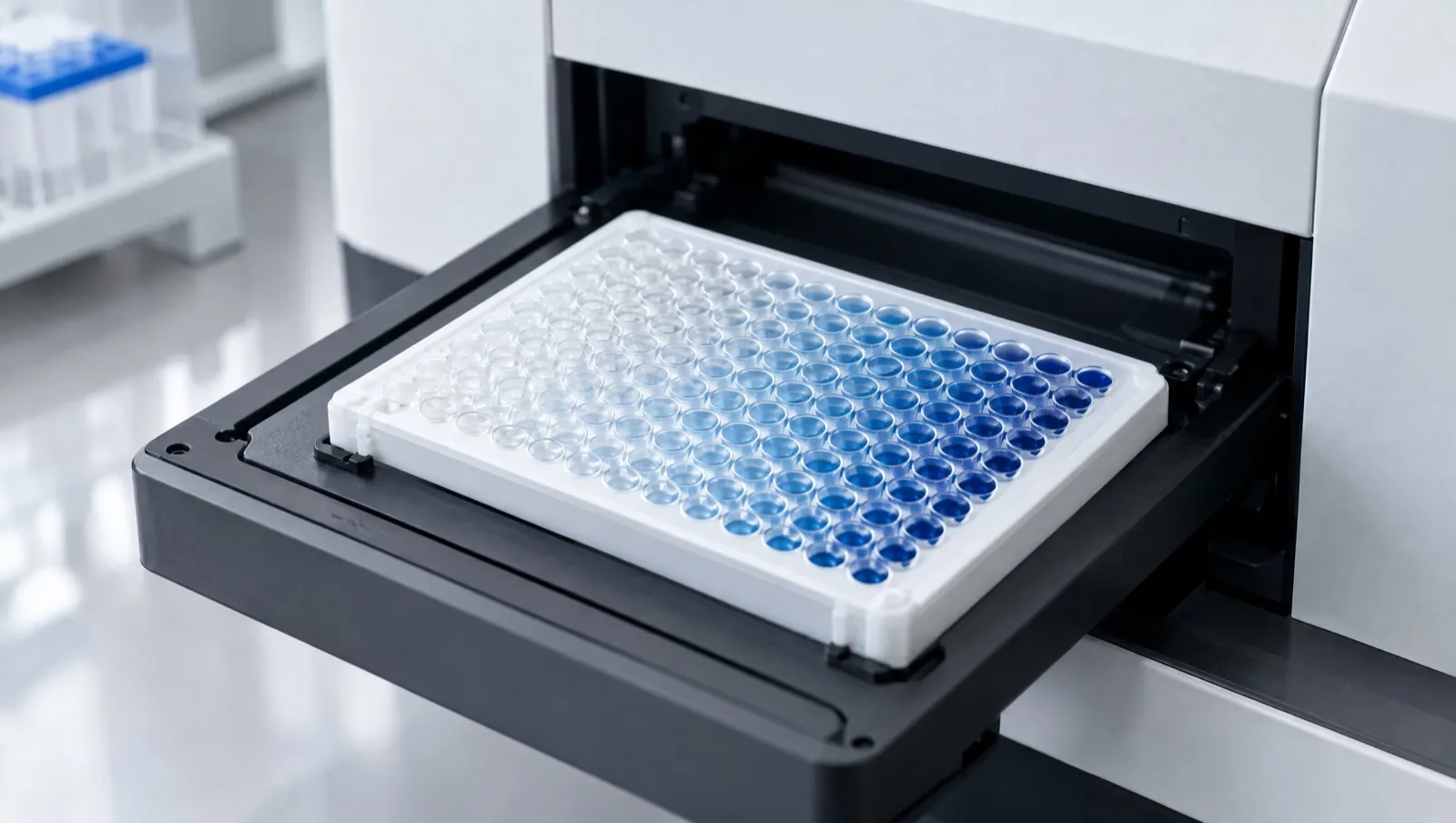 EC50, IC50, Kd and Ki: Reading Potency and Binding NumbersEC50 vs IC50, Kd and Ki explained: concentration–response curves, Hill slope, pEC50, the Cheng–Prusoff equation and how to judge a reported value.
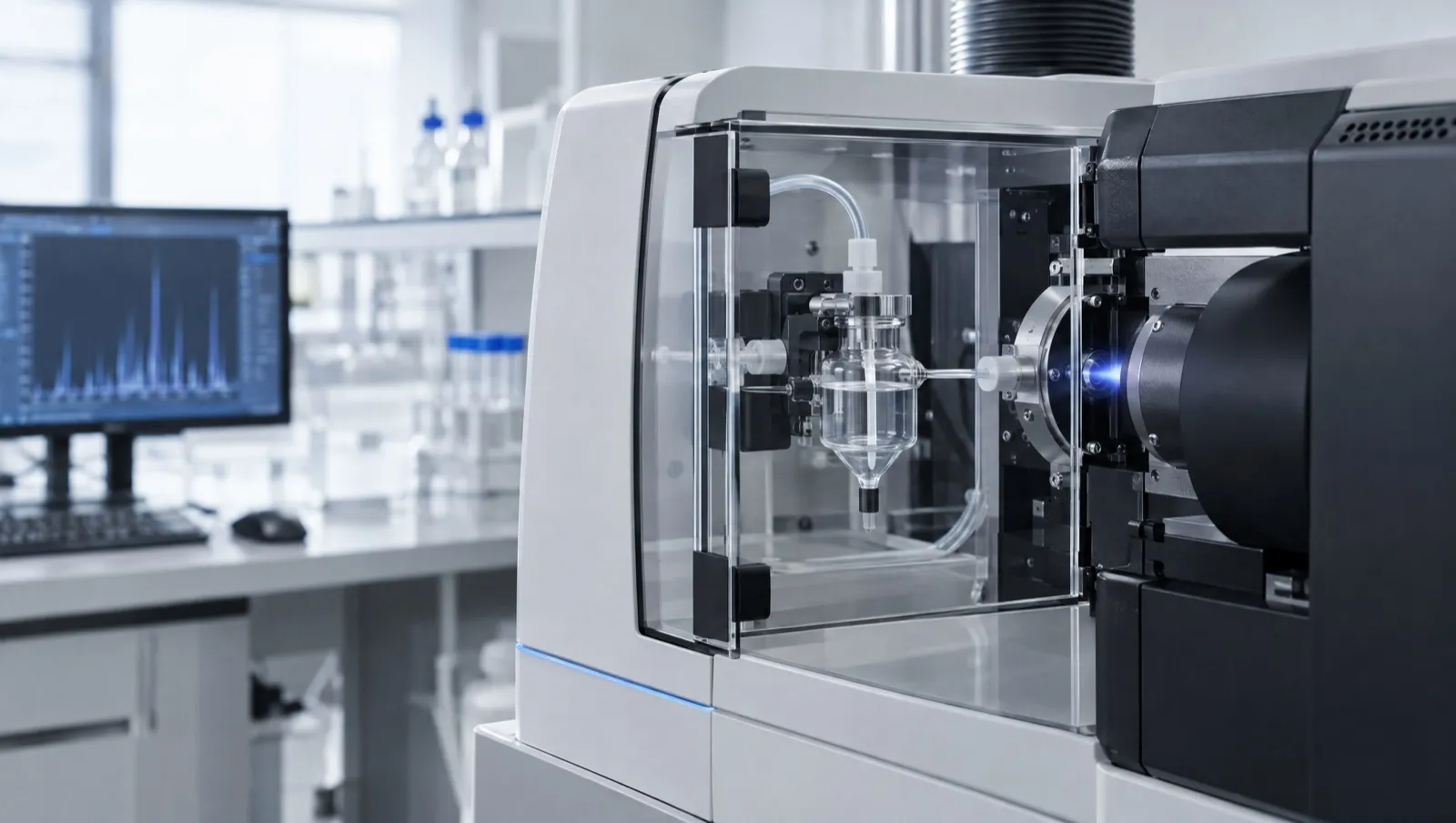 Elemental Impurities in Peptides: ICH Q3D and ICP-MSWhat elemental impurities are, how ICH Q3D classes, PDEs and the 30% control threshold work, where metals enter peptide work, and how ICP-MS measures them.
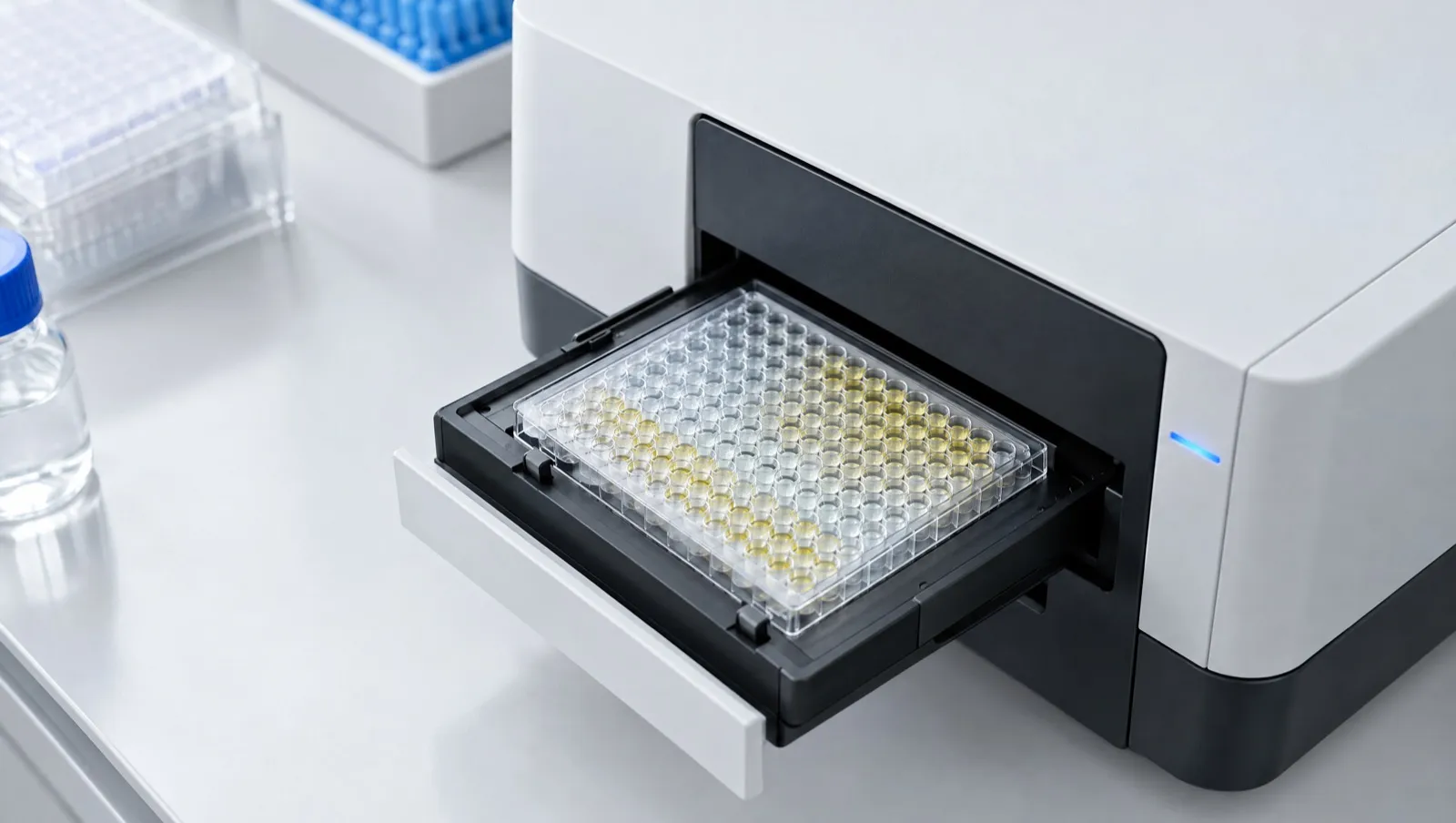 Endotoxin Testing Explained: LAL, Units (EU) and Why It Matters for Research MaterialsWhat bacterial endotoxin is, how LAL and recombinant factor C tests work, what EU/mg means on a COA, and why endotoxin can distort in vitro experiments.
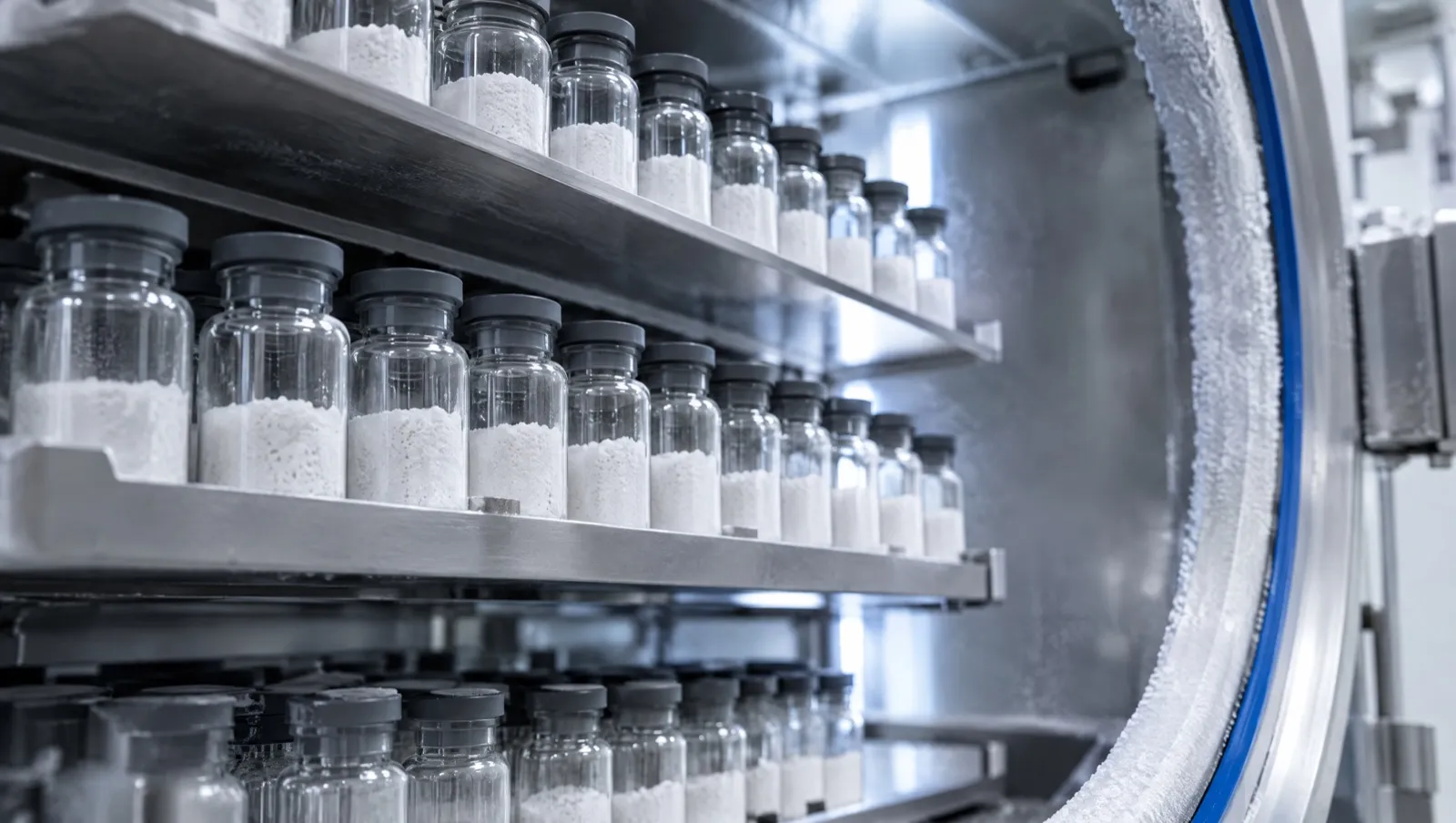 Freeze-Drying (Lyophilisation) Explained: How Peptides Become a PowderHow lyophilisation turns a peptide solution into powder: freezing, primary and secondary drying, collapse temperature, residual moisture and cake quality.
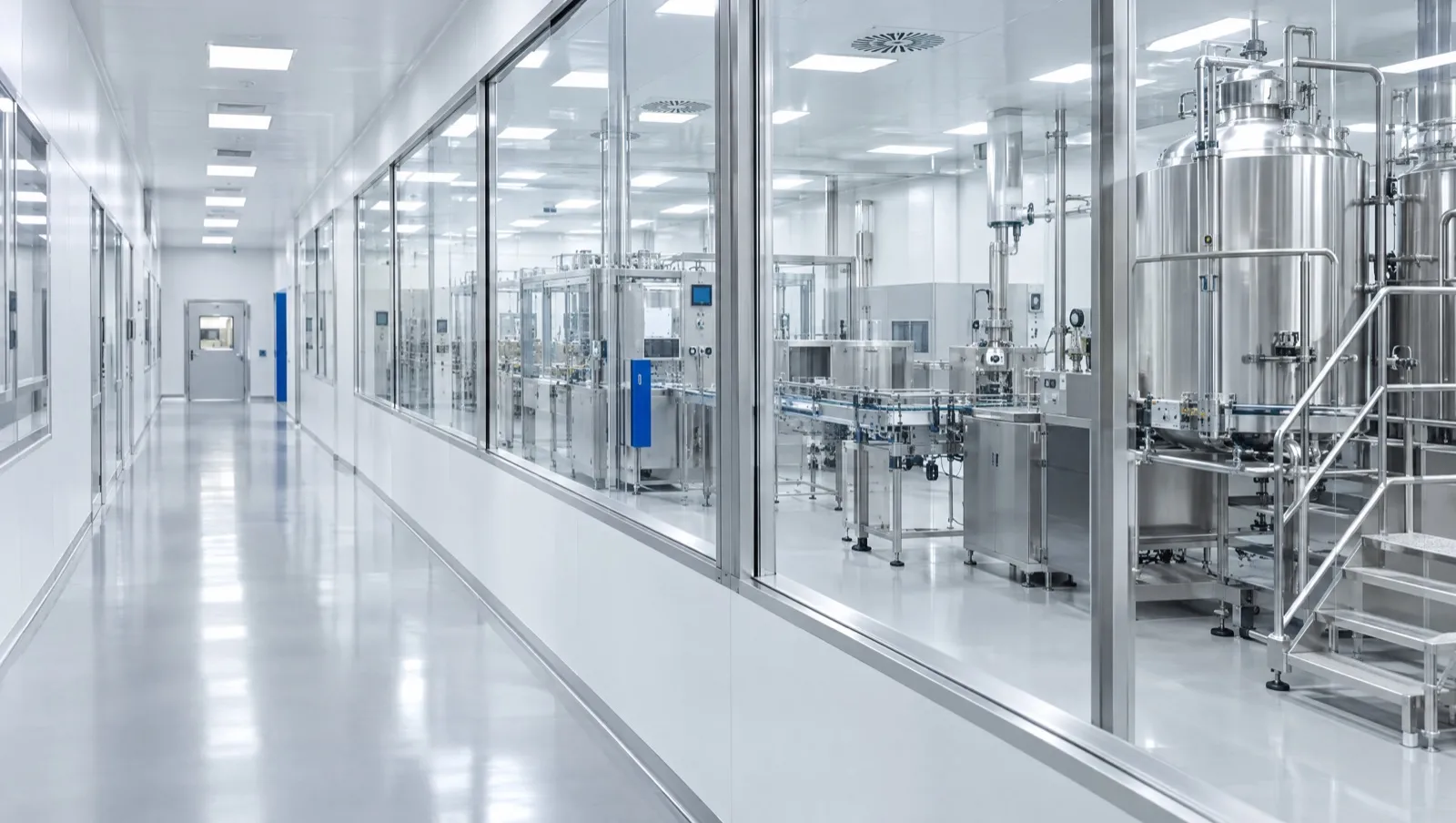 Good Manufacturing Practice (GMP) Explained: PIC/S, the TGA and What a GMP Claim MeansWhat is GMP? How the PIC/S Guide, TGA licences, GMP clearance, ICH Q7 and ICH Q10 fit together, and what documents should back a GMP claim.
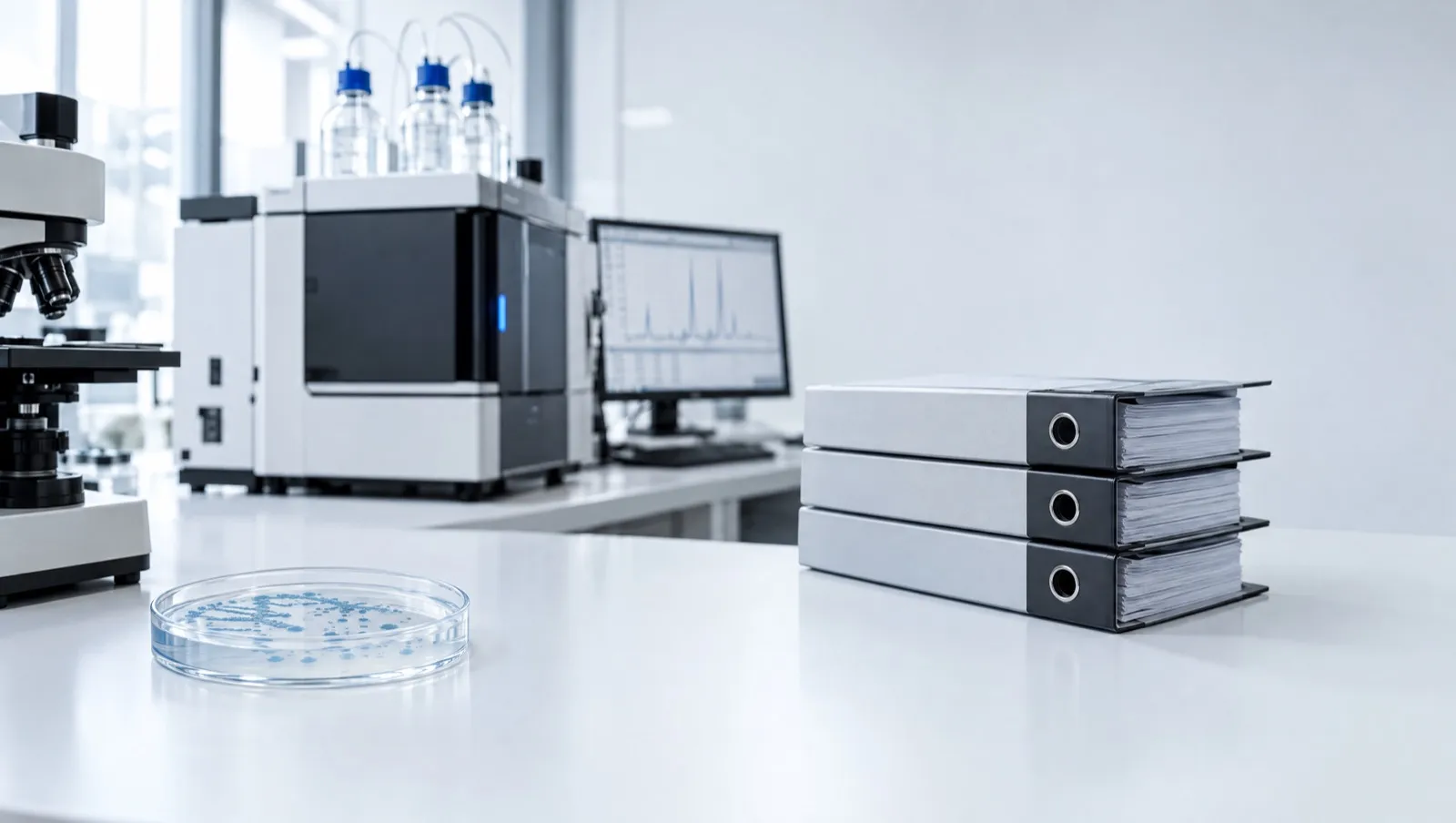 How Peptide Medicines Are Developed: From Discovery to ApprovalHow does peptide drug development work? A referenced guide to discovery, preclinical studies, clinical trials, regulatory review and TGA approval pathways.
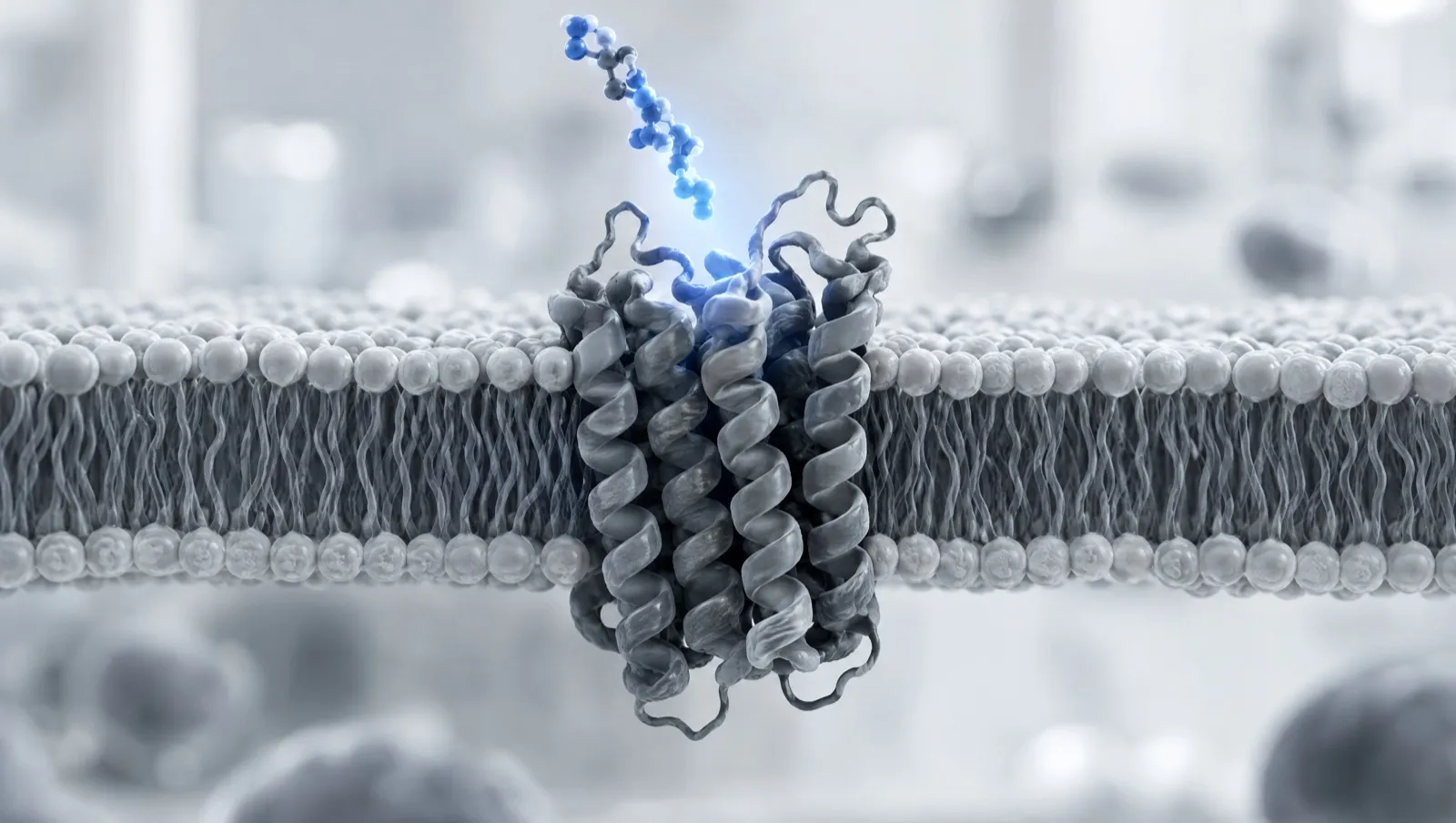 How Peptide Signalling Works: Receptors, GPCRs and Second MessengersHow do peptides work? A referenced guide to peptide receptors, GPCRs, second messengers such as cAMP, and how cell signals are switched off.
 How Peptides Are Named: INNs, Research Codes and SynonymsWhere peptide names come from: WHO International Nonproprietary Names and their stems, laboratory codes, CAS index names, and why to match by sequence.
 How Research Peptides Are Made: Solid-Phase Peptide Synthesis ExplainedHow are peptides made? A plain-English guide to solid-phase synthesis: Merrifield, Fmoc/tBu chemistry, cleavage, HPLC purification and lyophilisation.
- How to Read a Peptide Certificate of Analysis (COA)A practical guide to peptide Certificates of Analysis: what HPLC, mass spec, assay and endotoxin results mean, plus 10 red flags to watch for.
 How to Read a Peptide Sequence: One-Letter Codes, Termini and ModificationsPeptide sequence notation explained: one- and three-letter codes, N- and C-termini, Ac- and -NH2, D-residues, disulfides, cyclo and analogue names.
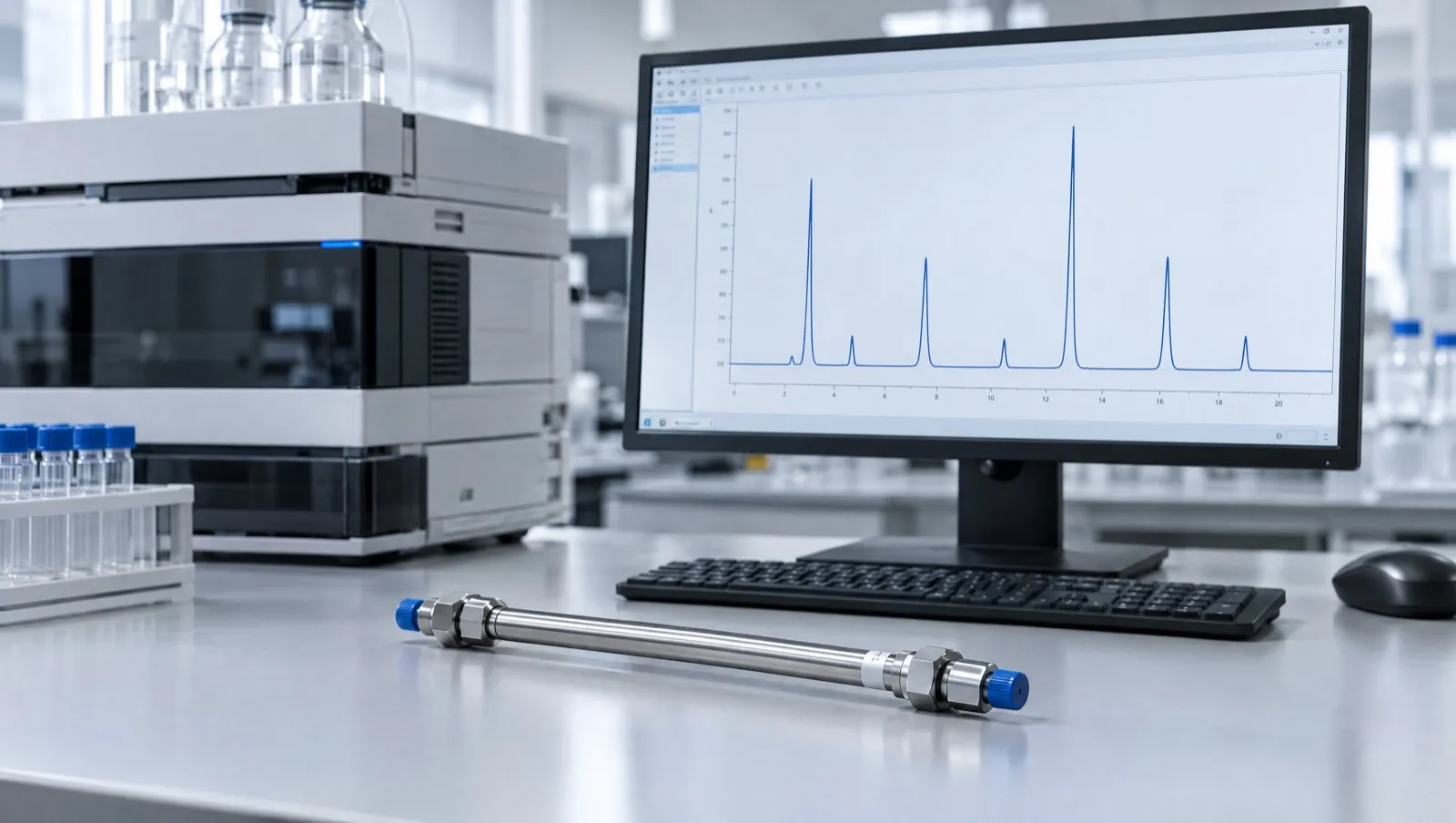 How to Read an HPLC Chromatogram: Peaks, Retention Time and Area %Reading a peptide HPLC chromatogram: axes, retention time, peak area, area-% purity, integration settings, system suitability and a COA checklist.
 How to Read Peptide Research: In Vitro, Animal and Human EvidenceHow to judge peptide research evidence: in vitro, animal and human studies, the evidence hierarchy, animal-to-human translation and replication.
 How to Search PubMed for Peptide Research: A Practical GuideHow to search PubMed: MeSH terms, field tags, Boolean operators, truncation, filters, retraction checks and repeatable searches, with worked examples.
 How to Spot Misleading Peptide Claims Online: A Reader's ChecklistAre peptides legit? A checklist for spotting misleading peptide claims and scams online, based on TGA advertising rules and ACCC guidance.
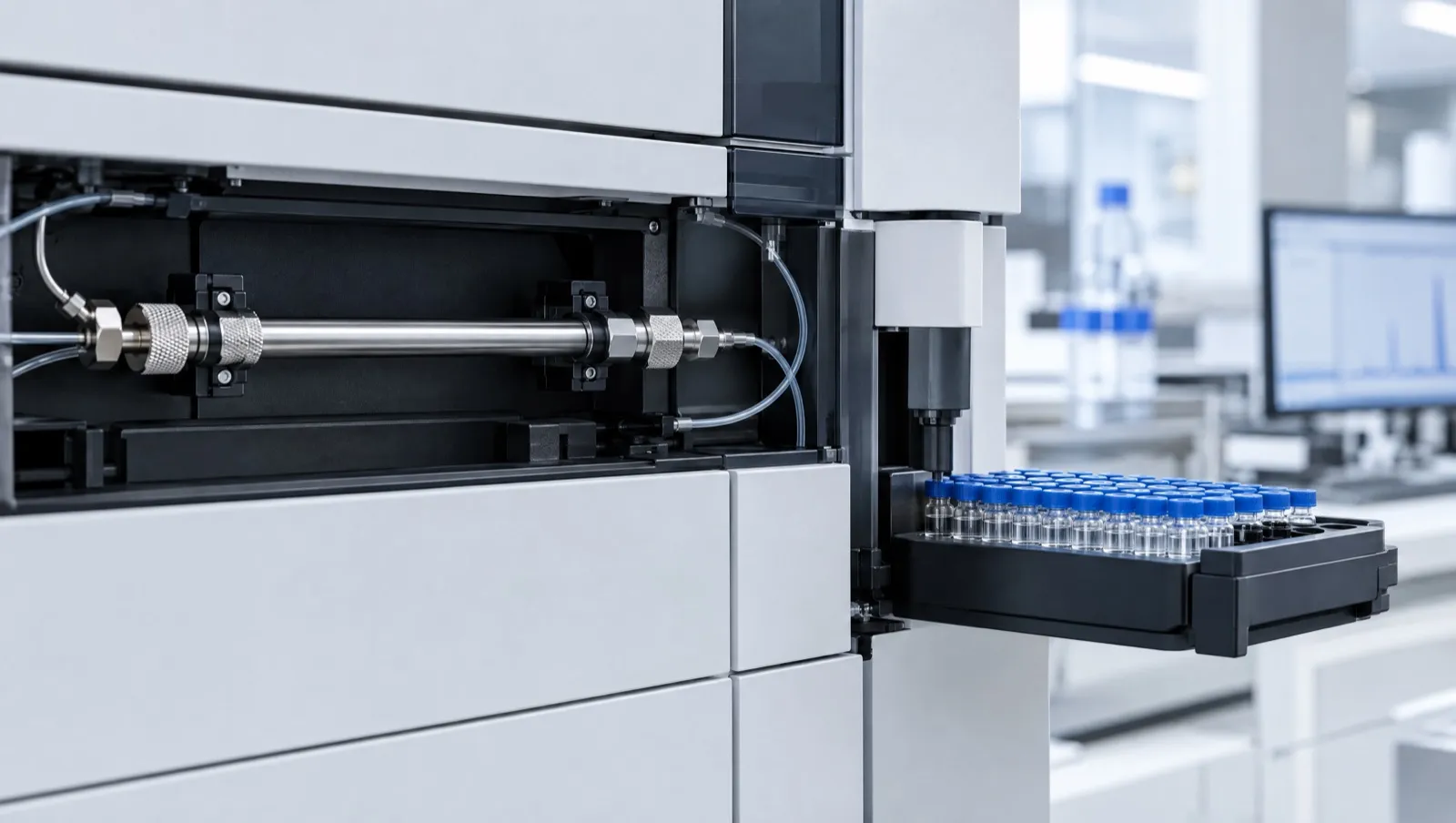 HPLC, LC-MS and UV-Vis: How Peptide Purity Is Actually MeasuredHow peptide purity testing works: what HPLC, LC-MS and UV-Vis each measure, their blind spots, and why reliable results combine orthogonal methods.
 ISO/IEC 17025 and NATA: What Laboratory Accreditation MeansWhat ISO/IEC 17025 requires, how NATA accreditation and its scope work, what the ILAC MRA does, and how to check whether a test report is accredited.
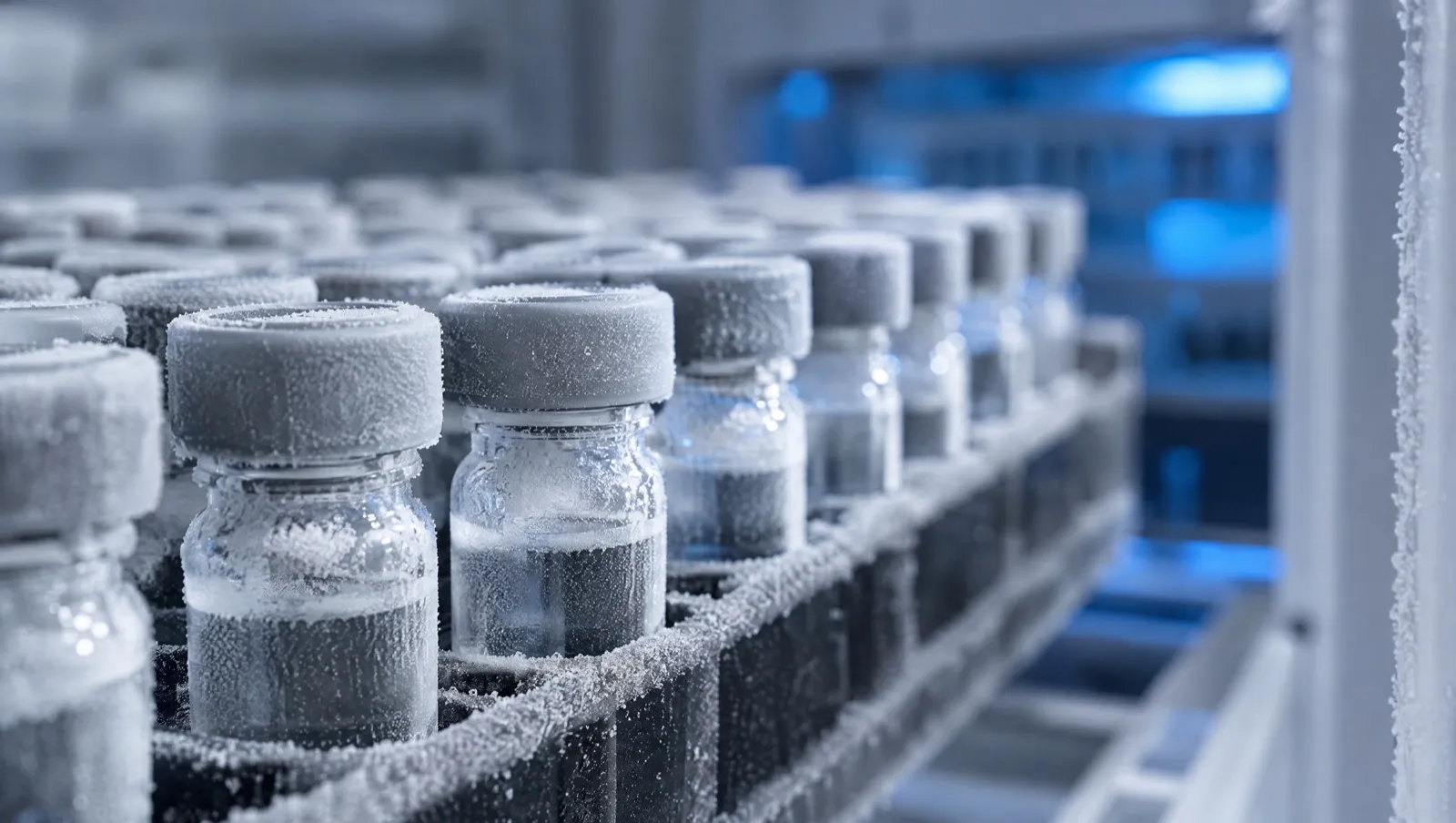 Lyophilised Peptides: Storage, Stability and DegradationHow to store peptides: why lyophilised peptides degrade by oxidation, deamidation and hydrolysis, and how moisture, light, heat and freezing matter.
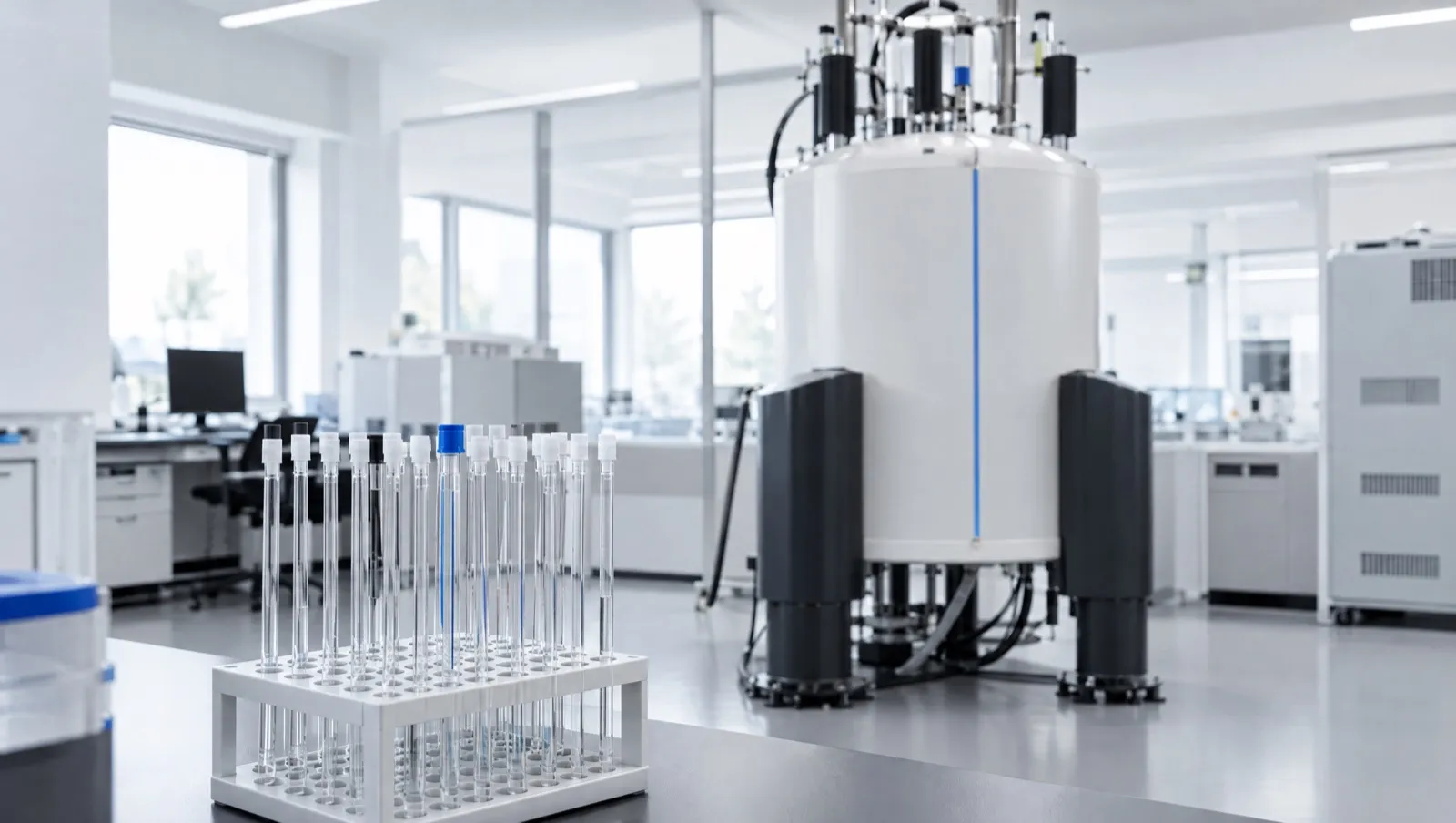 NMR Spectroscopy for Peptides: What It Shows and When It Is UsedHow peptide NMR works: chemical shifts, 1D and 2D spectra, sequential assignment, NOE distances, qNMR peptide content and 19F NMR for trifluoroacetate.
 Peer Review, Retractions and Predatory JournalsPredatory journals, peer review and retractions explained: what review checks, why papers are retracted, how to check a paper and spot a fake journal.
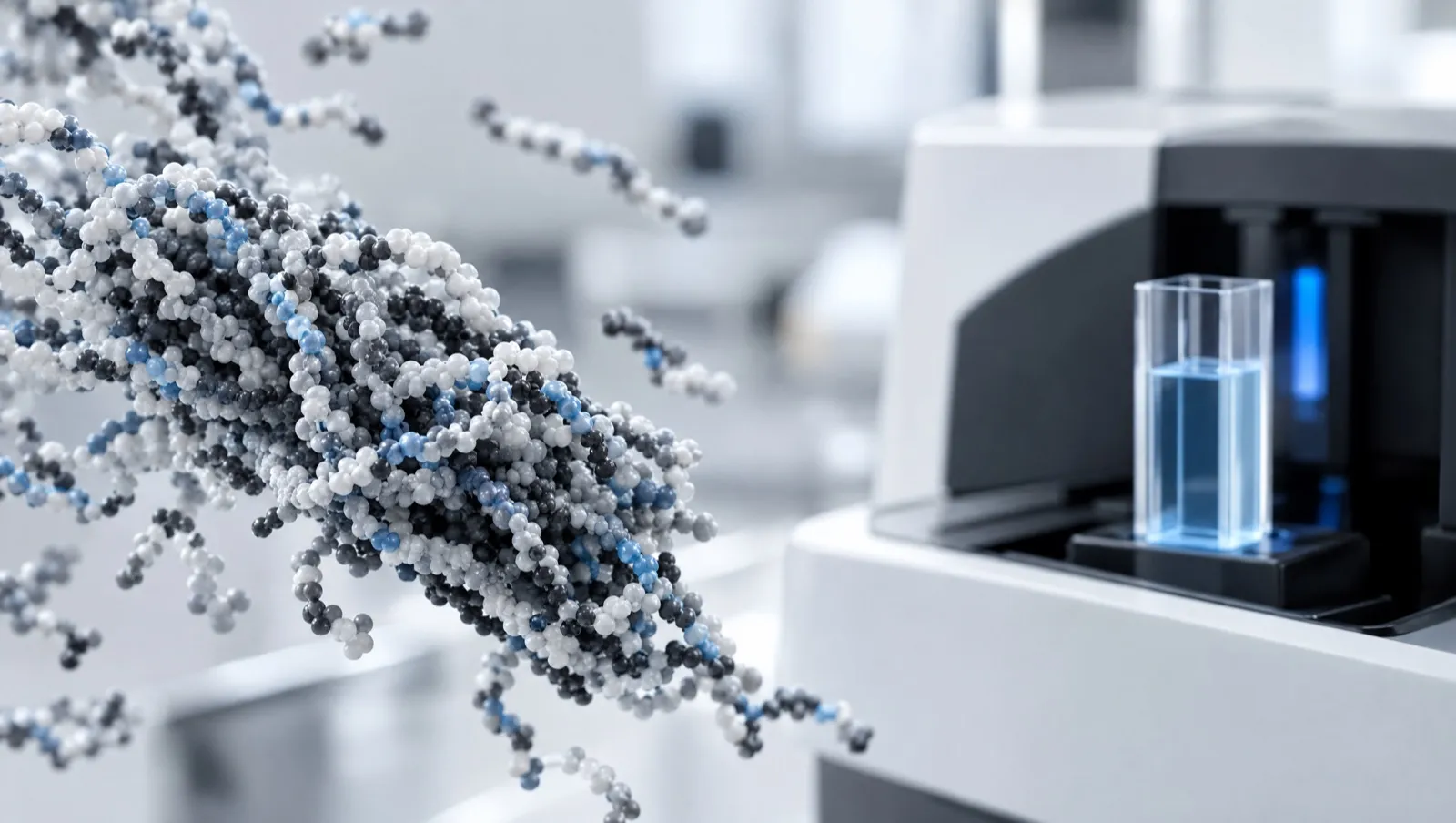 Peptide Aggregation: Why Peptides Clump and How Labs Detect ItPeptide aggregation explained: amorphous aggregates vs amyloid-like fibrils, what drives clumping, and how labs detect it with SEC, DLS, ThT and CD.
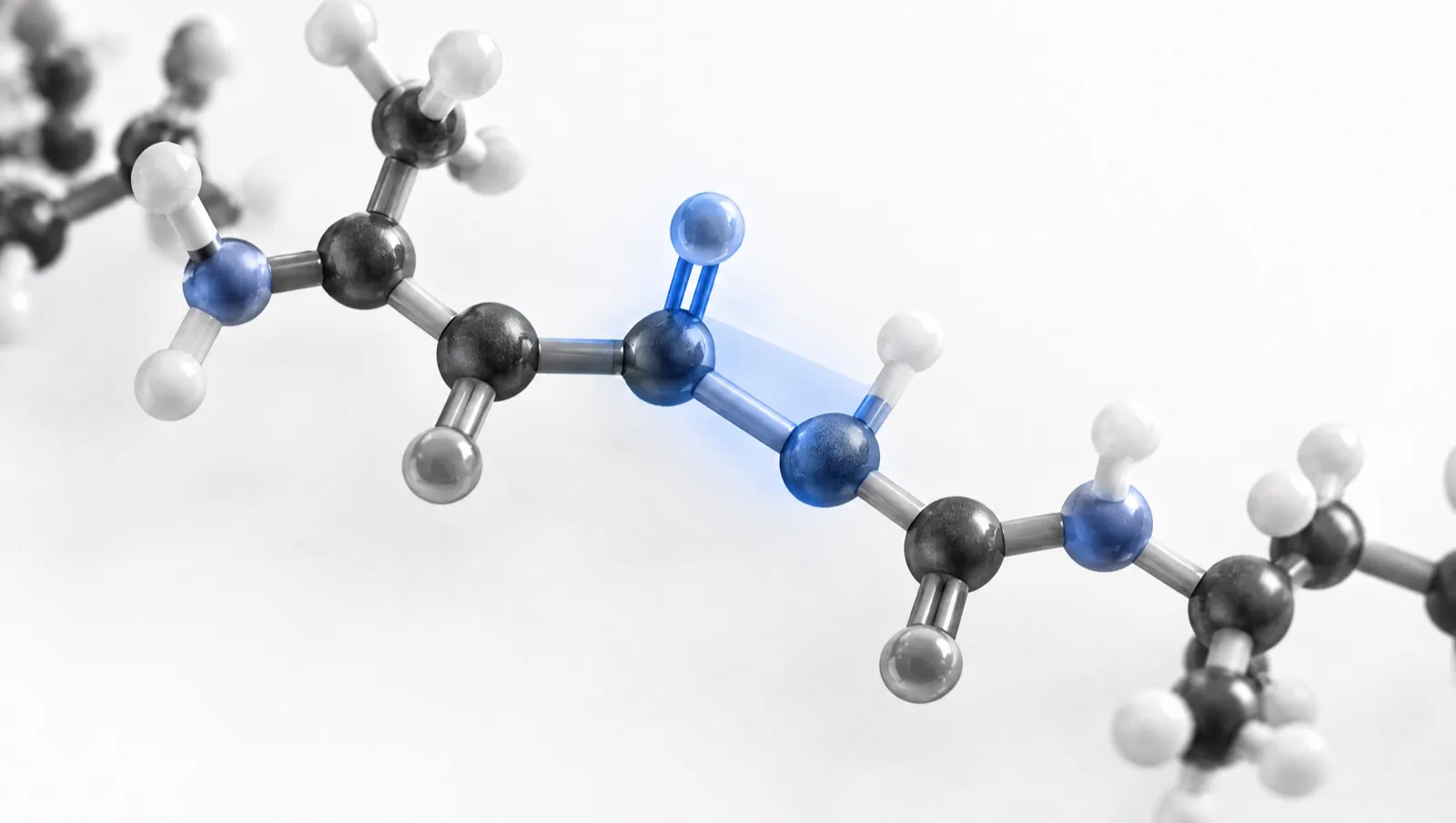 Peptide Bonds and Peptide Structure ExplainedWhat is a peptide bond? How amide bonds form, why they are flat and mostly trans, and how peptides build primary, secondary and tertiary structure.
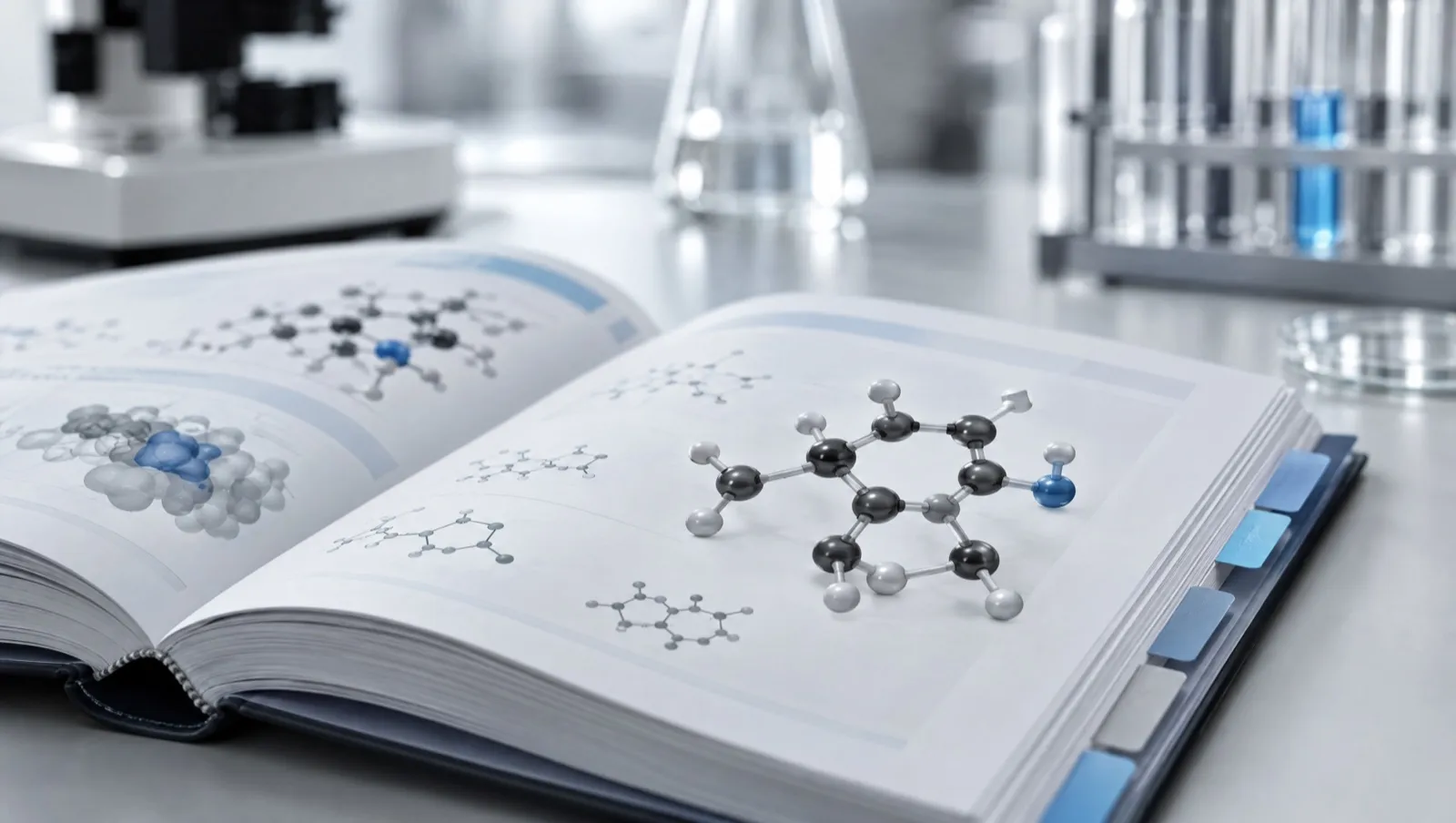 Peptide Glossary: Terms Researchers Should KnowA peptide glossary of about 60 terms, from amino acid analysis and counter-ions to HPLC, lyophilisation and net peptide content.
 Peptide Modifications Explained: Acetylation, Amidation, Cyclisation, PEGylation and LipidationPeptide modifications explained: what N-terminal acetylation, C-terminal amidation, cyclisation, D-amino acids, PEGylation and lipidation change.
 Peptides vs Proteins vs Amino Acids: What's the Difference?Peptide vs protein: how amino acids, peptides and proteins differ in size, structure and naming, with real examples and the definitions regulators use.
 Peptidomimetics and Stapled Peptides ExplainedWhat peptidomimetics are: N-methylation, D-residues, retro-inverso chains, peptoids, beta-peptides, lactam bridges and all-hydrocarbon staples.
 Phage Display and Peptide Libraries: How New Peptides Are DiscoveredHow phage display works: George Smith's 1985 paper, the 2018 Nobel Prize, biopanning rounds, pIII and pVIII libraries, mRNA display and hit validation.
 Pharmacopoeias Explained: USP, Ph. Eur. and BP MonographsWhat a pharmacopoeia is, what a monograph contains, how the USP–NF, Ph. Eur., BP and JP differ, how they are harmonised, and Australia's default standards.
 Predicting Peptide Solubility: Charge, Hydrophobicity and Solvent ChoicePredicting peptide solubility from sequence: net charge at pH 7, isoelectric point, hydropathy scores, and choosing water, dilute acid or DMSO in the lab.
 Purity vs Peptide Content: Why '99% Pure' Doesn't Mean '10 mg of Peptide'Net peptide content explained: why a 99% pure peptide powder also contains water and counter-ions, and how amino acid analysis and HPLC assays measure it.
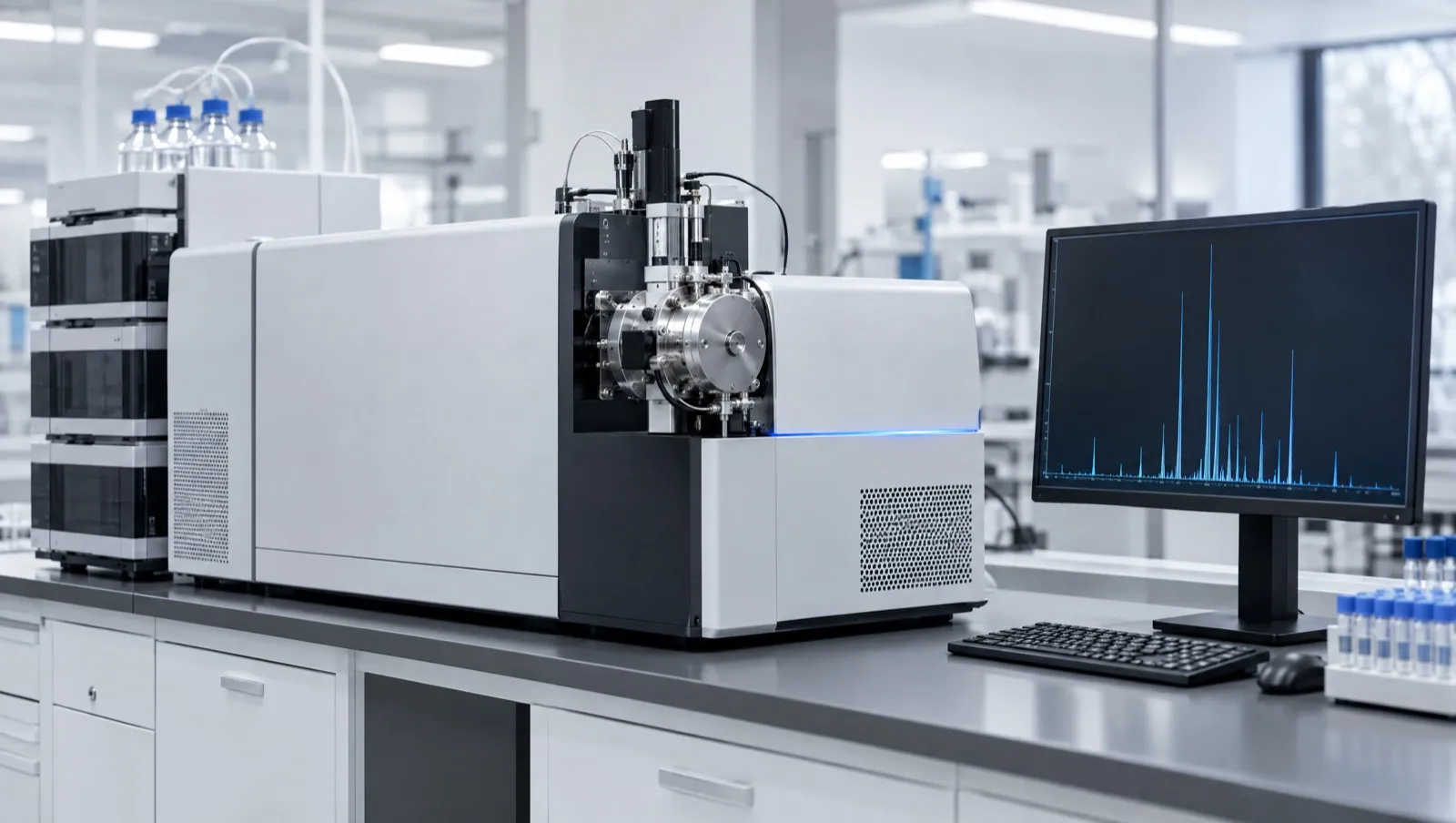 Reading a Peptide Mass Spectrum: ESI, MALDI, Charge States and IsotopesHow peptide mass spectrometry confirms identity: ESI vs MALDI, charge states, isotope patterns, adducts and a worked example of reading a peptide spectrum.
 Recombinant vs Synthetic Peptides: How Production Routes DifferHow chemical synthesis and recombinant expression make peptides, what each route can and cannot do, and the different impurities each one leaves behind.
 Reference Standards and Certified Reference Materials: How Labs Anchor a MeasurementWhat a reference standard is: primary vs secondary standards, pharmacopoeial standards, CRMs under ISO 17034, metrological traceability and certificates.
 Research Peptides vs Approved Peptide Medicines: What's the Difference?How research peptides differ from approved peptide medicines: ARTG registration, GMP manufacturing, quality standards and regulatory pathways.
 Residual Solvents in Synthetic Peptides: ICH Q3C ExplainedWhat residual solvents are, where they come from in peptide synthesis, how ICH Q3C classes and limits work, and how headspace GC measures them.
 Safety Data Sheets and Safe Laboratory Handling of Research PeptidesReading a peptide safety data sheet: GHS classification, the 16 SDS sections, research-chemical SDS rules in Australia, PPE, controls and waste handling.
 Stability Testing, Retest Dates and Shelf LifeHow stability testing works under ICH Q1A and Q1E: storage conditions, stress testing, retest period vs shelf life, extrapolation limits and peptides.
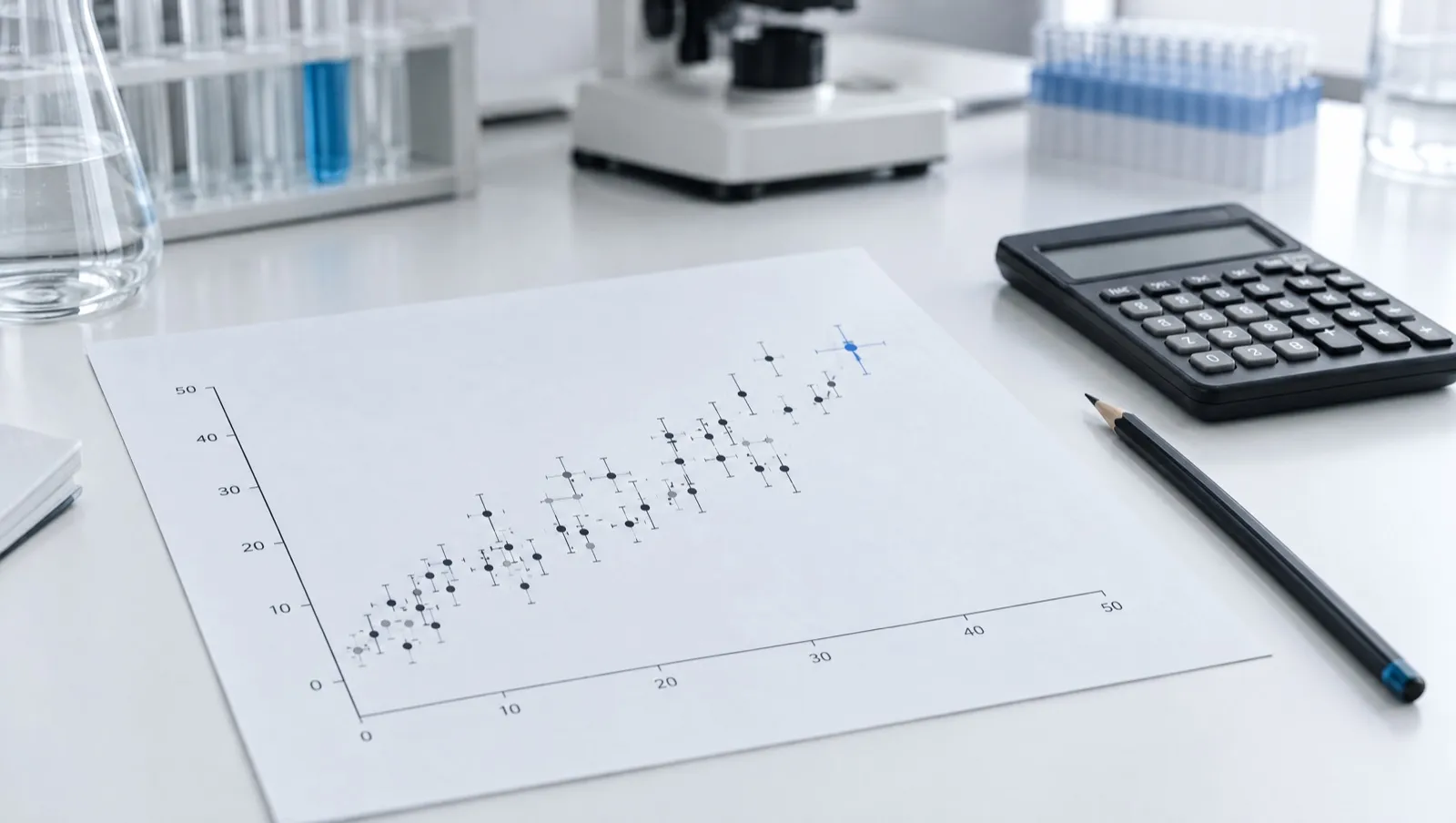 Statistics in Research Papers: p-Values, Confidence Intervals and Sample Sizep-value explained: what p-values and confidence intervals mean, SD vs SEM, what n really counts, statistical power, multiple comparisons and p-hacking.
 Systematic Reviews and Meta-Analyses: How Evidence Is PooledSystematic review vs meta-analysis: PRISMA 2020, registered review plans, risk of bias, fixed vs random effects, I², funnel plots and GRADE explained.
 The Growth Hormone Axis Explained: GHRH, Ghrelin, Somatostatin and IGF-1How does the growth hormone axis work? A referenced guide to GHRH, somatostatin, ghrelin, the GH receptor, IGF-1 and feedback, plus Australian scheduling.
 The Poisons Standard Explained: What Schedules 2, 3, 4 and 8 and Appendix D MeanWhat the Poisons Standard (SUSMP) schedules mean: Schedules 2, 3, 4 and 8, Appendix D, how decisions are made, and how peptides are scheduled in Australia.
 Units in Peptide Research: mg, µg, IU, Molarity and Dilution CalculationsWorked guide to peptide lab units: mg and µg, international units (IU), mg/mL to µM and mM, net peptide content and C1V1 = C2V2 dilutions.
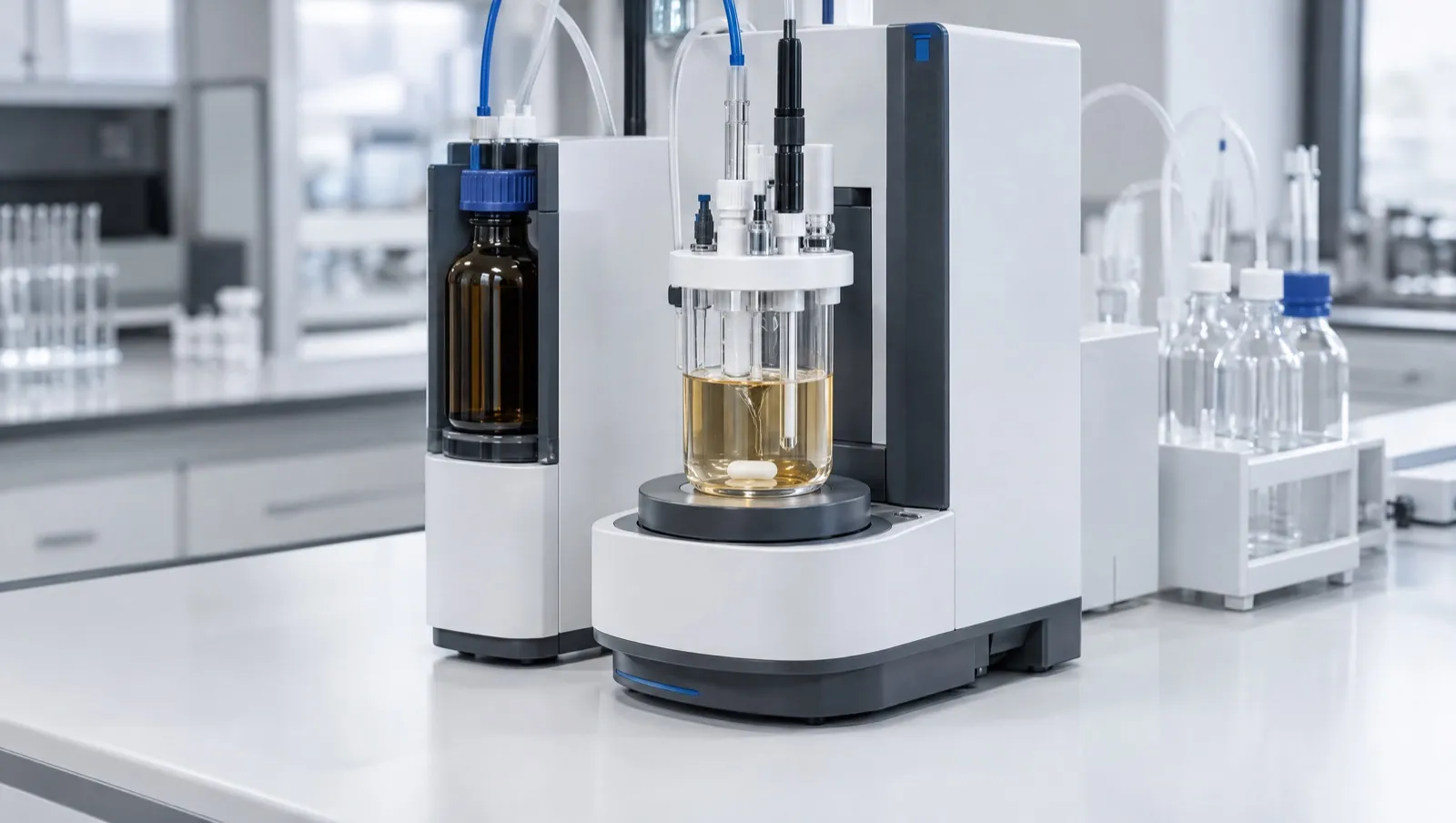 Water Content in Lyophilised Peptides: Karl Fischer Titration ExplainedHow Karl Fischer titration measures water in lyophilised peptides: the chemistry, coulometric vs volumetric, oven KF, loss on drying and a mass balance.
 What Are Peptides? A Plain-English PrimerWhat are peptides? A referenced primer on amino acid chains, how peptides differ from proteins, how they are made, and why they are hard to work with.
 What Is the ARTG? How to Check Whether a Medicine Is Approved in AustraliaWhat is the ARTG? How the Australian Register of Therapeutic Goods works, what AUST R, AUST L and AUST L(A) mean, and how to search it step by step.
 Why Peptides Break Down: Proteases, Half-Life and Stability in Biological SystemsWhy is peptide half-life so short? A referenced guide to proteases, renal clearance, plasma stability testing and the chemistry used to extend half-life.
 Why Peptides Stick to Tubes: Adsorption Losses in the LaboratoryPeptides adsorb to glass, polypropylene and pipette tips, and can vanish from dilute solutions. What the published studies measured, and what reduces it.
No articles match that search.